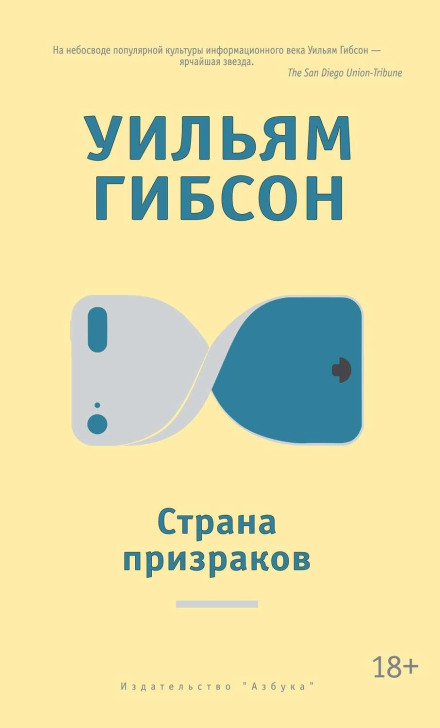
Spook Country
8 hrs. 54 min.
Language
Russian
Author
William Gibson
Author
William Gibson
Narrator
Mila Manysheva
Narrator
Mila Manysheva
William Gibson rose to fame thanks to the "Sprawl" trilogy ("Neuromancer," "Count Zero," "Mona Lisa Overdrive")—one of the key foundations of cyberpunk, shaping modern literature for years to come. But soon the pioneering writer found himself too confined within a single direction: after creating the steampunk saga "The Difference Engine" with Bruce Sterling, he turned to "The Bridge Trilogy" with its alternative "real," and then to the "Blue Ant" trilogy, begun with the novel "Pattern Recognition" and continued by "The Country of the Ghosts." Here virtuality is replaced by locative reality—a technology that makes it possible to "attach" digital objects to specific points in the real world. But what is it, really: a new art form capable of changing lives, or a deadly risky experiment devised by a small group of obsessives?
100%
14:33
01
10:26
02
08:02
03
08:24
04
02:12
05
05:23
06
06:59
07
11:05
08
05:38
09
04:53
10
10:03
11
02:08
12
11:23
13
06:45
14
07:12
15
04:55
16
15:15
17
06:16
18
08:27
19
09:53
20
04:07
21
08:50
22
04:26
23
04:09
24
05:54
25
03:19
26
05:54
27
04:17
28
03:04
29
08:34
30
06:18
31
05:31
32
07:16
33
03:58
34
06:27
35
05:40
36
03:41
37
07:22
38
08:07
39
06:02
40
04:17
41
05:09
42
08:25
43
05:00
44
04:57
45
05:29
46
07:30
47
08:35
48
04:52
49
10:24
50
03:25
51
05:58
52
06:06
53
03:30
54
03:48
55
09:10
56
03:35
57
04:04
58
06:46
59
05:00
60
01:36
61
06:23
62
03:29
63
05:19
64
06:49
65
08:05
66
03:51
67
06:55
68
03:16
69
05:32
70
07:55
71
05:55
72
06:15
73
07:58
74
03:11
75
13:54
76
07:22
77
07:49
78
00:43
79
06:14
80
03:36
81
13:26
82
05:05
83
05:10
84
