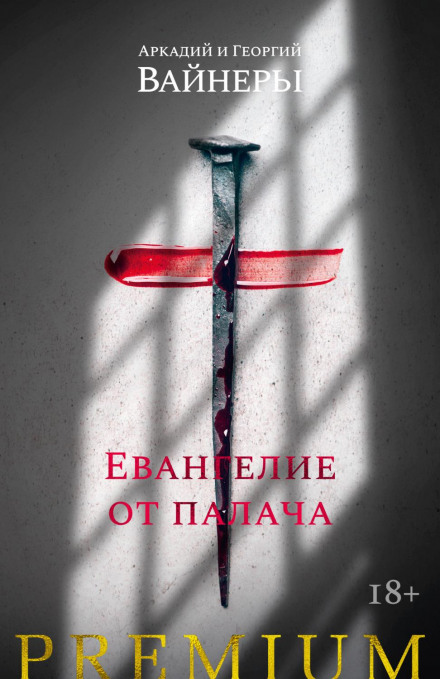
The Gospel of the Executioner
21 hrs. 19 min.
Language
Russian
Author
Georgy Vainer
Author
Arkady Vayner
Narrator
Vladimir Golitsyn
Narrator
Vladimir Golitsyn
The classics of Russian literature—the brothers Weiner—took a dangerous path: wanting to serve the truth in a country with a totalitarian regime, they created an anti-Soviet dilogy, “The Loop and Stone in Green Grass” and “The Gospel According to the Executioner.” These gripping novels exposed the crimes of Stalinist and Brezhnev executioners, and the authors could very well have paid for them with their freedom. The center of “The Gospel According to the Executioner” is Nikolai Khvatkin, a charismatic antihero who skillfully weaves deadly conspiracies, but who himself is trapped by fear and a passionate craving for a woman whose life and family he ruthlessly destroyed… In the 1970s, an ex—but still not old—MGB colonel Khvatkin remains on top: prestige, wealth, a beautiful wife… The times when he extracted confessions from “enemies of the people” are over. But now his first wife’s stubborn daughter Maika has plans to marry a foreigner… And the fiancé decides to call Khvatkin to account for past crimes—there is more than enough material against the colonel. The narrator of the novel is Khvatkin himself. Memory sometimes flings him out of a prosperous present into the bloody, unspeakable past. We see his life from the inside, through his own eyes. And here is the executioner’s “good news”: the element of people who break other people’s destinies without hesitation—fear. They create it, they feed on it, and they understand only this language. The words of mercy and love are unknown to them, inaccessible. And their life is ugly. But that doesn’t make them any less dangerous…
100%
31:29
Евангелие от палача - 0 -
39:15
Евангелие от палача - 1 -
36:38
Евангелие от палача - 2 -
51:40
Евангелие от палача - 3 -
47:04
Евангелие от палача - 4 -
49:28
Евангелие от палача - 5 -
37:33
Евангелие от палача - 6 -
54:47
Евангелие от палача - 7 -
51:42
Евангелие от палача - 8 -
37:50
Евангелие от палача - 9 -
1:18:17
Евангелие от палача - 10 -
50:19
Евангелие от палача - 11 -
58:34
Евангелие от палача - 12 -
1:02:27
Евангелие от палача - 13 -
1:22:46
Евангелие от палача - 14 -
1:14:19
Евангелие от палача - 15 -
1:30:58
Евангелие от палача - 16 -
1:15:49
Евангелие от палача - 17 -
59:27
Евангелие от палача - 18 -
58:21
Евангелие от палача - 19 -
48:12
Евангелие от палача - 20 -
55:25
Евангелие от палача - 21 -
46:56
Евангелие от палача - 22 -
