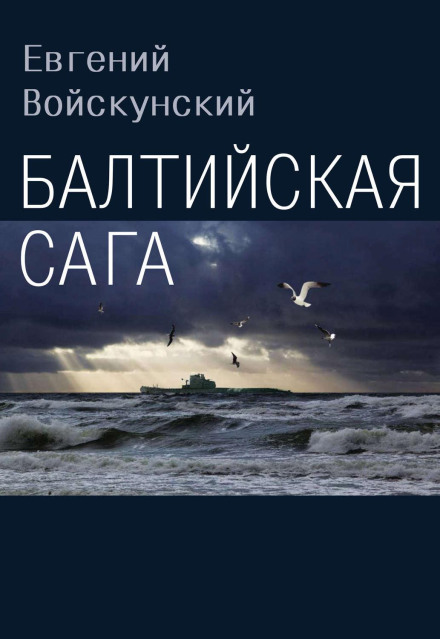
Балтийская сага
30 ч. 58 мин.
Автор
Евгений Войскунский
Автор
Евгений Войскунский
Описание
Первые произведения Евгения Войскунского были посвящены войне — годам его фронтовой молодости, пришедшимся на Великую Отечественную. Это естественно: кто лучше него — капитана 3-го ранга, кавалера двух орденов Красной Звезды, участника обороны Ханко и Ленинграда, — мог рассказать о людях военных будней, приближавших Победу. Но широкую известность автору принес роман «Экипаж „Меконга“», созданный вместе с двоюродным братом Исаем Лукодьяновым и снабженный подзаголовком: «Книга о новейших фантастических открытиях и старинных происшествиях, о тайнах Вещества и многих приключениях на суше и на море». Вышедшая в начале 1960-х, эта книга стала заметным событием в отечественной фантастике и, наравне с произведениями Ивана Ефремова, братьев Стругацких, Кира Булычева и других признанных мастеров жанра, завоевала большой читательский успех.
Затем появились новые книги в популярном направлении. Но времена меняются: не стало соавтора, ломалась сама эпоха, а суровая реальность современности отодвинула фантастику на второй план. В последующих романах Войскунский уже не пишет о «тайнах Вещества» и рискованных странствиях — он вновь обращается к прежней, военной теме, к «приключениям» (если их можно так назвать) подлинным, прожитым им самим и определившим его судьбу.
«Кронштадт», «Мир тесен», «Румянцевский сквер» и другие книги Войскунского рассказывают о стойкости и отваге балтийских моряков, о подвиге ленинградцев, выдержавших блокаду; в них особенно отчетливо звучат ключевые для автора понятия — долг, родина, личная ответственность перед настоящим и будущим. Однако высшей точкой его военной (и шире — жизненной) прозы стал эпический роман «Балтийская сага» — последняя книга в творческой биографии писателя: широкая панорама и попытка осмыслить новейшую русскую историю через судьбы нескольких поколений ленинградцев, связавших свою жизнь с флотом.
Затем появились новые книги в популярном направлении. Но времена меняются: не стало соавтора, ломалась сама эпоха, а суровая реальность современности отодвинула фантастику на второй план. В последующих романах Войскунский уже не пишет о «тайнах Вещества» и рискованных странствиях — он вновь обращается к прежней, военной теме, к «приключениям» (если их можно так назвать) подлинным, прожитым им самим и определившим его судьбу.
«Кронштадт», «Мир тесен», «Румянцевский сквер» и другие книги Войскунского рассказывают о стойкости и отваге балтийских моряков, о подвиге ленинградцев, выдержавших блокаду; в них особенно отчетливо звучат ключевые для автора понятия — долг, родина, личная ответственность перед настоящим и будущим. Однако высшей точкой его военной (и шире — жизненной) прозы стал эпический роман «Балтийская сага» — последняя книга в творческой биографии писателя: широкая панорама и попытка осмыслить новейшую русскую историю через судьбы нескольких поколений ленинградцев, связавших свою жизнь с флотом.
100%
1:06:51
01
1:11:26
02
51:55
03
2:21:40
04
49:26
05
48:42
06
43:07
07
54:51
08
18:47
09
33:38
10
51:50
11
23:46
12
14:08
13
33:31
14
22:51
15
42:17
16
13:51
17
47:02
18
2:55:45
19
1:16:04
20
1:26:46
21
45:50
22
1:06:58
23
39:03
24
1:02:52
25
11:26
26
46:03
27
45:36
28
20:26
29
35:36
30
34:44
31
32:55
32
20:04
33
31:18
34
22:34
35
22:46
36
18:31
37
49:13
38
37:13
39
46:50
40
