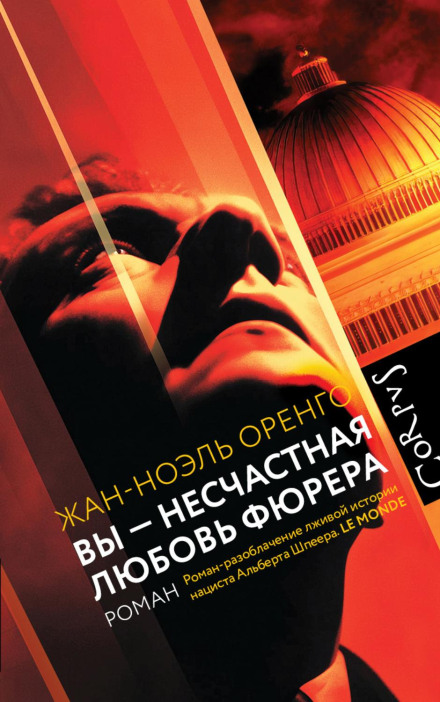
You Are the Führer's Unhappy Love
8 hrs. 9 min.
Language
Russian
Author
Jean-Noël Orengo
Author
Jean-Noël Orengo
Narrator
Petr Kaledin
Narrator
Petr Kaledin
Description
Albert Speer, the architect Hitler trusted most, was a master not only of architecture but also of manipulation. He created the impression of a man who had rethought his actions, allowing him to avoid harsh punishment at the Nuremberg trial. In his memoirs published in 1969, Speer describes in detail his role in the Nazi government, claiming that he did not know the scale of the regime’s crimes and expressing readiness to take responsibility—yet without acknowledging personal guilt. Despite historians’ attempts to expose his lies, Speer’s image as a suffering, penitent Nazi took root in public consciousness.
This book is a deep investigation into one of the largest fabrications connected with Nazi Germany. By examining Speer’s biography and using testimony, including that of historian Gitta Sereny, who spoke with him repeatedly, the author offers a gripping analysis of the person whom one of his colleagues called “the Führer’s unfortunate love.”
This book is a deep investigation into one of the largest fabrications connected with Nazi Germany. By examining Speer’s biography and using testimony, including that of historian Gitta Sereny, who spoke with him repeatedly, the author offers a gripping analysis of the person whom one of his colleagues called “the Führer’s unfortunate love.”
100%
02:23
01
04:33
02
07:12
03
02:52
04
03:50
05
05:19
06
09:40
07
10:22
08
04:36
09
02:09
10
05:42
11
05:35
12
05:25
13
07:54
14
08:42
15
05:09
16
06:42
17
03:20
18
10:27
19
10:26
20
06:09
21
06:10
22
06:24
23
11:56
24
05:32
25
04:43
26
07:54
27
05:41
28
01:44
29
04:40
30
11:15
31
12:17
32
14:47
33
04:15
34
10:37
35
10:33
36
09:11
37
02:13
38
11:57
39
18:36
40
13:07
41
01:41
42
08:21
43
02:11
44
06:28
45
01:35
46
15:15
47
05:58
48
08:48
49
13:00
50
08:56
51
11:59
52
04:27
53
14:32
54
19:26
55
03:03
56
09:45
57
02:21
58
06:16
59
03:08
60
11:24
61
02:41
62
24:51
63
01:00
64
