Variant Bis-2: Year of the Dead Snake
27 hrs. 48 min.
Language
Russian
Author
Sergey Anisimov
Author
Sergey Anisimov
Narrator
Larionov Sergey (babay7)
Narrator
Larionov Sergey (babay7)
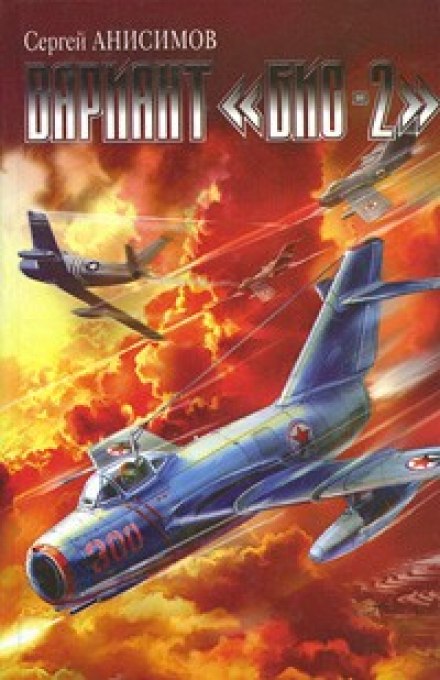
World War II is over by the “B” variant; it is 1953… In Korea, a prolonged positional war is underway, involving far too many parties, each with its own interests. In China, communism thrives—and with that state, one can no longer avoid reckoning. Japan, which had escaped the collapse of 1946, has grown rich from military supplies; the United States and the Soviet Union—just like in our history—in the “B” variant-2 are drawn into the arms race. For the Korean peninsula, there is a brutal and merciless war—though this strip of land means nothing compared to the scenes behind the scenes, where the struggle for influence in the world plays out among the powers.
Will it be possible to achieve a ceasefire? Will this war grow beyond the rivalry between the drained armies of divided Korea and the “UN forces,” Soviet and Chinese volunteers, into something bigger: a direct collision of fully deployed armies of all participants in the conflict?
The landing of American troops near Shanghai, landings near Nakhodka and Vladivostok—with an advance toward Blagoveshchensk and Khabarovsk… An atomic strike on Soviet groupings in Europe, the spread of a full-scale chemical and biological war across the space from Lisbon to Kagoshima—against which the 38th parallel will fade… Can it be prevented? How many lives would have to be paid to ensure it doesn’t happen?
Will it be possible to achieve a ceasefire? Will this war grow beyond the rivalry between the drained armies of divided Korea and the “UN forces,” Soviet and Chinese volunteers, into something bigger: a direct collision of fully deployed armies of all participants in the conflict?
The landing of American troops near Shanghai, landings near Nakhodka and Vladivostok—with an advance toward Blagoveshchensk and Khabarovsk… An atomic strike on Soviet groupings in Europe, the spread of a full-scale chemical and biological war across the space from Lisbon to Kagoshima—against which the 38th parallel will fade… Can it be prevented? How many lives would have to be paid to ensure it doesn’t happen?
100%
10:17
001
11:12
002
11:18
003
11:44
004
10:18
005
11:04
006
11:07
007
08:16
008
09:44
009
10:32
010
10:45
011
07:53
012
10:47
013
08:15
014
13:27
015
11:47
016
09:06
017
10:29
018
13:04
019
09:49
020
10:27
021
08:56
022
08:51
023
09:53
024
02:25
025
10:42
026
11:41
027
10:54
028
12:58
029
11:18
030
10:44
031
08:16
032
11:14
033
09:56
034
09:57
035
11:18
036
06:53
037
06:00
038
09:33
039
07:27
040
09:48
041
09:21
042
11:40
043
08:25
044
07:37
045
04:10
046
08:46
047
09:45
048
11:38
049
08:26
050
11:29
051
08:23
052
12:20
053
11:40
054
07:26
055
10:29
056
08:31
057
08:38
058
09:31
059
12:09
060
10:15
061
11:52
062
11:18
063
10:35
064
02:49
065
06:29
066
09:48
067
09:37
068
06:41
069
12:33
070
07:11
071
11:49
072
10:53
073
11:36
074
12:12
075
12:04
076
01:28
077
14:29
078
12:35
079
14:00
080
09:46
081
10:53
082
09:32
083
12:32
084
10:53
085
06:35
086
15:14
087
10:36
088
10:17
089
11:15
090
05:04
091
07:22
092
09:38
093
11:56
094
08:29
095
13:27
096
13:46
097
11:45
098
12:32
099
12:31
100
12:10
101
11:16
102
07:39
103
04:57
104
11:21
105
12:23
106
10:15
107
10:40
108
12:21
109
02:53
110
10:44
111
12:26
112
05:50
113
11:29
114
11:22
115
12:14
116
09:51
117
11:03
118
12:25
119
08:09
120
09:17
121
05:19
122
10:17
123
11:17
124
11:30
125
10:01
126
04:46
127
02:08
128
09:53
129
11:19
130
10:05
131
08:35
132
11:16
133
09:03
134
08:30
135
08:29
136
04:31
137
10:11
138
11:08
139
09:40
140
10:37
141
06:41
142
12:49
143
09:57
144
10:44
145
10:47
146
11:14
147
12:24
148
04:02
149
11:36
150
12:33
151
10:44
152
10:22
153
10:29
154
13:02
155
12:47
156
12:33
157
11:18
158
07:51
159
11:07
160
10:49
161
09:24
162
13:06
163
11:26
164
05:56
165
12:32
166
08:27
167
