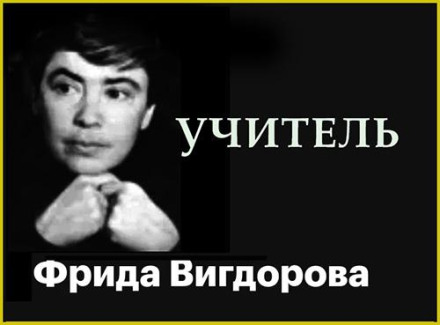
The Teacher
5 hrs. 49 min.
Language
Russian
Author
Frida Vigdorova
Author
Frida Vigdorova
Narrator
Irina Vlasova
Narrator
Irina Vlasova
Description
This is a book about a teacher who, after sitting in a camp for five years, returns in 1955, travels across the country, meeting former students and many, many people—both acquaintances and those he sees for the first time. Frida Abramovna Vigdorova (1915–1965) wrote it from the end of 1963 to June 1965. The novella was conceived long before that; the idea was nurtured for years and eventually underwent significant changes.
The author didn’t complete the book; some plot lines are cut off, and there are inconsistencies in the chronology. The novella was not edited by the author. The publishers prepared the text for publication, but didn’t feel entitled to invent, finish, add, change, or edit anything. In this book—even in its unfinished version—the spirit of the time is preserved: that early “thaw,” when suddenly everything started speaking, and this polyphony fills the novella. Conversations of passengers on a boat, the driver of a car, the old people in a home for the disabled, a woman who was deprived of eight years of her life, youth, housing, officials, an ambulance doctor, a young functionary, journalists, dissatisfied collective farmers who seem to have understood that they can talk about what hurts— and that no correspondent can stop them; and the endless fellow travelers on trains, and a Moscow dinner with conversations about everything—literature, science, journalism—with ditties and the famous camp song— all of this together, even without finishing, makes the text alive and interesting for today’s reader.
(Elaine Vigdorova, Alexandra Raskina)
The author didn’t complete the book; some plot lines are cut off, and there are inconsistencies in the chronology. The novella was not edited by the author. The publishers prepared the text for publication, but didn’t feel entitled to invent, finish, add, change, or edit anything. In this book—even in its unfinished version—the spirit of the time is preserved: that early “thaw,” when suddenly everything started speaking, and this polyphony fills the novella. Conversations of passengers on a boat, the driver of a car, the old people in a home for the disabled, a woman who was deprived of eight years of her life, youth, housing, officials, an ambulance doctor, a young functionary, journalists, dissatisfied collective farmers who seem to have understood that they can talk about what hurts— and that no correspondent can stop them; and the endless fellow travelers on trains, and a Moscow dinner with conversations about everything—literature, science, journalism—with ditties and the famous camp song— all of this together, even without finishing, makes the text alive and interesting for today’s reader.
(Elaine Vigdorova, Alexandra Raskina)
100%
35:03
01
35:16
02
28:22
03
33:12
04
35:50
05
22:15
06
37:29
07
27:36
08
36:37
09
37:11
10
20:28
11
