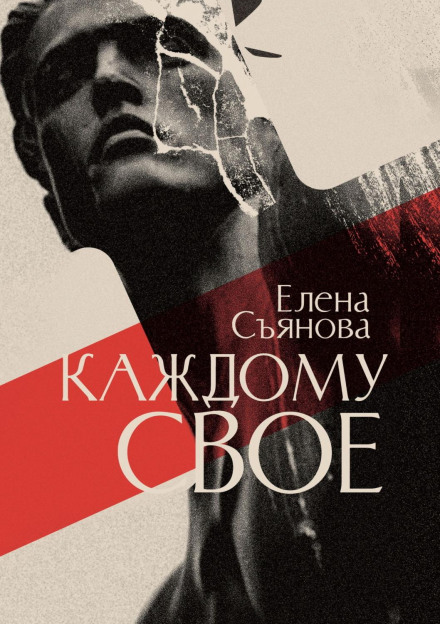
To Each His Own
6 hrs. 57 min.
Language
Russian
Author
Elena Syanova
Author
Elena Syanova
Narrator
Nikita Krakhmalev
Narrator
Nikita Krakhmalev
“To Each His Own” is the concluding part of Elena Syanova’s fiction-and-documentary trilogy devoted to the history of the fascist Third Reich and the fates of its leaders. At first glance, there seemed to be no problems with the documentary basis of this novel—an enormous amount of material from the Nuremberg trials is available to researchers. The most interesting part of it is the transcripts of interrogations and notes by an American psychologist, Gilbert, who worked with the accused. “But,” the author writes, “these notes have little to do with the original, which underwent censorship and translation.” Elena Syanova works with the originals. That is why the atmosphere of her novel is so strikingly different from “Seventeen Moments of Spring.” And that is why the described version of the disappearance of the “party’s gold”—which Hitler saw as a guarantee for the Reich’s revival—looks sufficiently credible.
One of the main characters, Robert Ley, wrote a note that the American attaché delivered to his widow only in 1963: “If we lost, then God changed his mind and took away our chance. Now he is giving it to our enemies.” How the winners used their chances—those are other chapters of world history.
One of the main characters, Robert Ley, wrote a note that the American attaché delivered to his widow only in 1963: “If we lost, then God changed his mind and took away our chance. Now he is giving it to our enemies.” How the winners used their chances—those are other chapters of world history.
