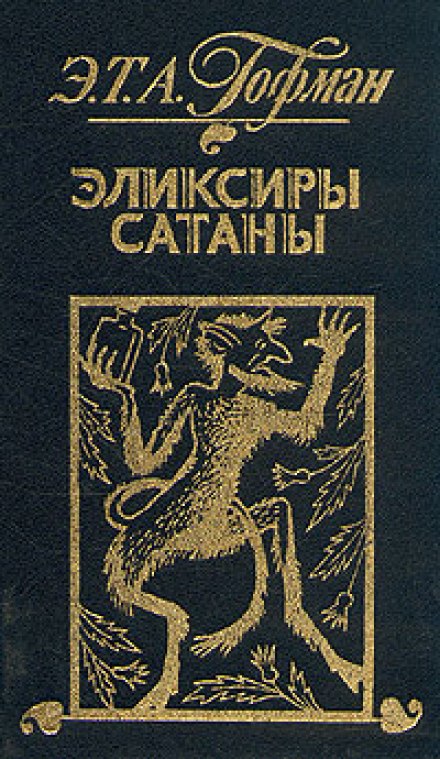
The Devil's Elixirs
13 hrs. 10 min.
Description
After reading Hofmann’s novel “The Elixirs of the Devil,” Heinrich Heine wrote: “The devil can’t write anything more devilish.” In the novel, written in 1815–1816, reality is portrayed by the author as an element of dark, supernatural forces. The narration, told in the name of Medard, a monk, lets the reader follow the monastery corridors and cells—and then step into a motley world, experiencing everything that the monk endured in the life of a terrifying, horrifying, mad, and even ridiculous… This book offers an astonishingly deep analysis of the activity of the human subconscious. Rarely published in Russian, “The Elixir of the Devil,” at first glance, could be classified as a “horror” novel: a strangely tangled plot, a phantasmagoric play of circumstances and irresistible passions, a chain of dreadful crimes. In truth, the author’s elaborate imagination is only a tool for studying the complex inner world of the human personality, ruled by irrational, mysterious forces—torn apart by the struggle between base instincts and high moral principles.
