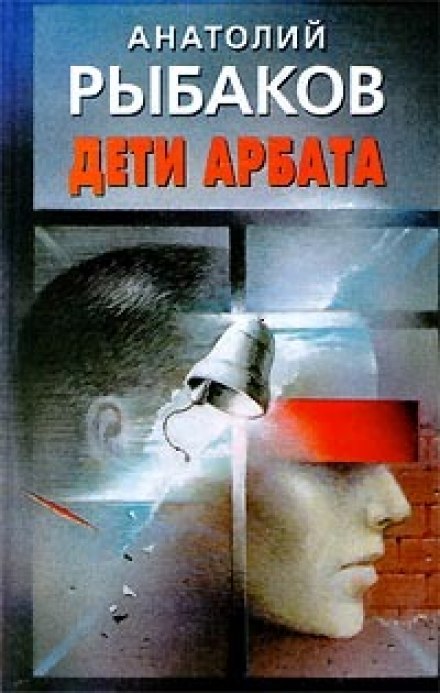
Children of the Arbat
27 hrs. 15 min.
Language
Russian
Author
Anatoly Rybakov
Author
Anatoly Rybakov
Narrator
Igor Dobryakov
Narrator
Igor Dobryakov
Moscow, Arbat, 1934. The story of a decent, honorable young man Sasha Pankratov is, in essence, ordinary for that time: he is accused of anti-Soviet sentiments, expelled from the Party, imprisoned, and exiled under Article 58-10 (“counter-revolutionary agitation and propaganda”). Black times… The novel “Children of the Arbat,” written back in the 1960s and published only in 1987, was one of the first works about the fate of the young generation of the thirties—an era of great losses and tragedies. The novel recreates the fates of this generation, trying to reveal the mechanism of totalitarian power, to understand the “phenomenon” of Stalinism and Stalin. “Children of the Arbat” is about those whose youth coincided with the youth of the country—about people who studied, grew up, and formed themselves in the now faraway, frightening, yet in its own way romantic years.
