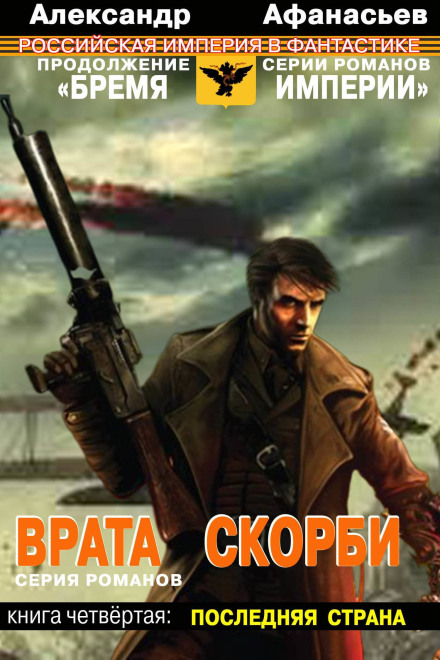
Врата Скорботи. Книга четверта: Остання країна
12 год. 19 хв.
Мова
російська
Автор
Олександр Афанасьєв
Автор
Олександр Афанасьєв
Читець
Ларіонов Сергій (babay7)
Читець
Ларіонов Сергій (babay7)
«Остання країна» — четверта книга циклу Олександра Афанасьєва «Врата скорботи», великий альтернативно-історичний саґа про реальність, у якій XX століття звернуло на інший — суворіший і конфліктніший — шлях. У двірі 1949 рік, і Аравійський півострів перетворюється на поле негласного, але надзвичайно жорстокого протистояння держав. Тут сходяться й стикаються британські спецслужби, російські стратегічні інтереси, племінна знать, релігійні сили, нафта й проєкти залізниць — усе так тісно сплетене, що будь-який крок потребує розплати, найчастіше кров’ю.
На тлі руйнування старих укладів і тиску індустріальної епохи на перший план виходить принц Касим аль-Хабейлі — людина перехідного часу. Йому доводиться одночасно говорити з гірцями мовою звичаїв, з імперіями — мовою примусу, а із самою історією — мовою неминучого.
Це історія не стільки про битви, скільки про рішення та компроміси: що обрати — минуле чи майбутнє, вірність вірі чи холодний розрахунок, самостійність чи опіку наддержав. Афанасьєв жорстко й детально показує, як влаштовані імперські механізми, чим живуть еліти, як працює колоніальна логіка і яку ціну платять народи, що опинилися між інтересами великих гравців.
«Остання країна» — різкий, інтелектуальний і суперечливий роман на стику політичного трилера, військової прози та роздумів про долі держав і людей. Він природно продовжує «Врата скорботи», розширюючи простір циклу та поглиблюючи його центральне питання: чи можливий справедливий порядок там, де всім правлять сила, страх і вигода.
На тлі руйнування старих укладів і тиску індустріальної епохи на перший план виходить принц Касим аль-Хабейлі — людина перехідного часу. Йому доводиться одночасно говорити з гірцями мовою звичаїв, з імперіями — мовою примусу, а із самою історією — мовою неминучого.
Це історія не стільки про битви, скільки про рішення та компроміси: що обрати — минуле чи майбутнє, вірність вірі чи холодний розрахунок, самостійність чи опіку наддержав. Афанасьєв жорстко й детально показує, як влаштовані імперські механізми, чим живуть еліти, як працює колоніальна логіка і яку ціну платять народи, що опинилися між інтересами великих гравців.
«Остання країна» — різкий, інтелектуальний і суперечливий роман на стику політичного трилера, військової прози та роздумів про долі держав і людей. Він природно продовжує «Врата скорботи», розширюючи простір циклу та поглиблюючи його центральне питання: чи можливий справедливий порядок там, де всім правлять сила, страх і вигода.
1.
Врата скорботи. Дикий Схід
(у виконанні
Ларіонов Сергій (babay7))
2.
Врата Скорботи. Книга друга: Ідемо на Схід
(у виконанні
Ларіонов Сергій (babay7))
3.
Врата Скорботи. Книга третя: Наступна зупинка — смерть
(у виконанні
Ларіонов Сергій (babay7))
4.
Врата Скорботи. Книга четверта: Остання країна
100%
53:40
Врата Скорби. Книга четвертая: Последняя страна 01
34:56
Врата Скорби. Книга четвертая: Последняя страна 02
24:49
Врата Скорби. Книга четвертая: Последняя страна 03
35:15
Врата Скорби. Книга четвертая: Последняя страна 04
29:45
Врата Скорби. Книга четвертая: Последняя страна 05
16:02
Врата Скорби. Книга четвертая: Последняя страна 06
50:10
Врата Скорби. Книга четвертая: Последняя страна 07
55:01
Врата Скорби. Книга четвертая: Последняя страна 08
16:41
Врата Скорби. Книга четвертая: Последняя страна 09
1:07:35
Врата Скорби. Книга четвертая: Последняя страна 10
1:01:09
Врата Скорби. Книга четвертая: Последняя страна 11
40:12
Врата Скорби. Книга четвертая: Последняя страна 12
30:35
Врата Скорби. Книга четвертая: Последняя страна 13
52:31
Врата Скорби. Книга четвертая: Последняя страна 14
1:00:37
Врата Скорби. Книга четвертая: Последняя страна 15
40:58
Врата Скорби. Книга четвертая: Последняя страна 16
22:28
Врата Скорби. Книга четвертая: Последняя страна 17
28:37
Врата Скорби. Книга четвертая: Последняя страна 18
18:56
Врата Скорби. Книга четвертая: Последняя страна 19
