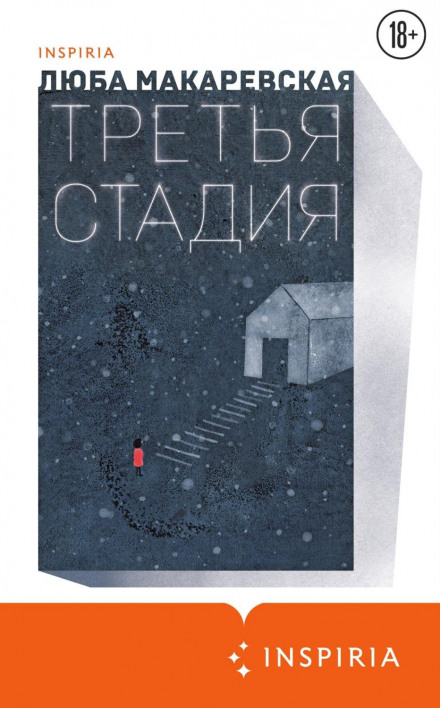
Третя стадія
4 год. 15 хв.
Мова
російська
Автор
Люба Макаревська
Автор
Люба Макаревська
Читець
Юлія Шустова
Читець
Юлія Шустова
Опис
Оповіді Люби Макаревської можна назвати прозою поета — авторка справді є поеткою й володіє російською мовою так, як досвідчений дресирувальник керує тигром. Або — за ступенем щирості, відвертості та прагненням ясно бачити речі, на які дивитися прямо майже неможливо: боляче, соромно, страшно — тобто сприймати їх як максимально серйозну розмову про найважливіше. Люба Макаревська пише про біль, смерть, кохання й пам’ять так, ніби позичає читачеві свій погляд, своє тіло й якийсь крихітний мерехтливий фрагмент душі; читаючи її, завжди перебуваєш усередині чогось, що одночасно «“я”» і «„не я“». Її дивовижний дар описувати душевну дисоціацію без дисоціації текстової, лишаючись водночас і всередині, і зовні — наче магічний ефект снігової кулі. Люба пише на цьому склі свої послання сніжинками-голочками й власною кров’ю — читати їх трохи боляче, але ця біль лікує.
Тетяна Замировська, авторка роману «„Смерти. net“»
Початкова цитата із Сабіни Шпільрейн тут, звісно, не випадкова. Існує особлива лінія жіночого письма: Вірджинія Вулф, Сільвія Плат, Енн Секстон, Елізабет Вурцель. Люба Макаревська свідомо йде їхніми слідами. Передусім це книга про самознищення й прагнення до Танатосу.
Ольга Брейнінгер, письменниця.
«Якщо уявити, що всі тіні сходяться в одній точці, чи буде ця точка лише неможливістю будь-якої правди? І чи не хочу я зрештою, щоб вогонь стер мою жадібність разом з ненаситністю мого зору? І знову, лежачи на ліжку, я заплющую очі й укладаю у темряву світ, а всередині себе зберігаю погляди, шкіру й міміку інших — усіх тих, із ким я була пов’язана останні місяці, і нарешті зникаю. Мій зір стає більшим за мене саму — він викреслює мене, немов морська хвиля напередодні або ядерної війни, або російської зими, що для свідомості майже завжди одне й те саме».
Тетяна Замировська, авторка роману «„Смерти. net“»
Початкова цитата із Сабіни Шпільрейн тут, звісно, не випадкова. Існує особлива лінія жіночого письма: Вірджинія Вулф, Сільвія Плат, Енн Секстон, Елізабет Вурцель. Люба Макаревська свідомо йде їхніми слідами. Передусім це книга про самознищення й прагнення до Танатосу.
Ольга Брейнінгер, письменниця.
«Якщо уявити, що всі тіні сходяться в одній точці, чи буде ця точка лише неможливістю будь-якої правди? І чи не хочу я зрештою, щоб вогонь стер мою жадібність разом з ненаситністю мого зору? І знову, лежачи на ліжку, я заплющую очі й укладаю у темряву світ, а всередині себе зберігаю погляди, шкіру й міміку інших — усіх тих, із ким я була пов’язана останні місяці, і нарешті зникаю. Мій зір стає більшим за мене саму — він викреслює мене, немов морська хвиля напередодні або ядерної війни, або російської зими, що для свідомості майже завжди одне й те саме».
100%
19:38
Третья стадия - 0 - Чудовище
21:47
Третья стадия - 1 - Он
16:42
Третья стадия - 2 - Третья стадия
14:43
Третья стадия - 3 - Гардеробщик
13:21
Третья стадия - 4 - Ворона
12:49
Третья стадия - 5 - Зависимость
11:25
Третья стадия - 6 - Реквием
12:14
Третья стадия - 7 - Никогда не точно
12:51
Третья стадия - 8 - Отвращение
10:23
Третья стадия - 9 - Глаза
10:38
Третья стадия - 10 - Цифровой голод
13:30
Третья стадия - 11 - (Не)обратимая анархия
10:02
Третья стадия - 12 - Новое отрицание
12:22
Третья стадия - 13 - Грудь
11:09
Третья стадия - 14 - Антология военных действий
15:42
Третья стадия - 15 - Насыщение
09:42
Третья стадия - 16 - Методика самоуничтожения
15:00
Третья стадия - 17 - Плащаница
12:00
Третья стадия - 18 - Жрец
