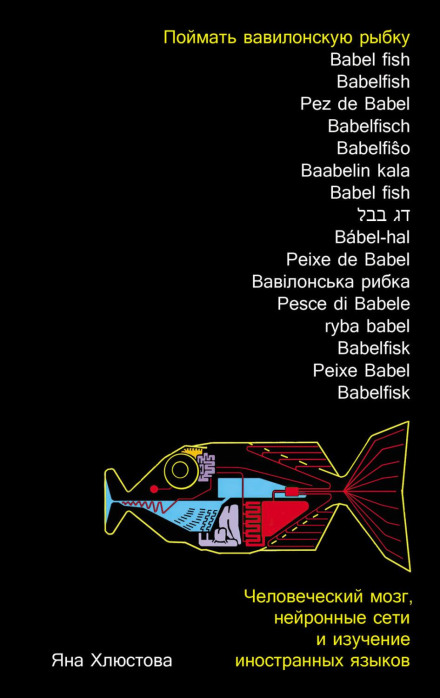
Спіймати вавілонську рибку: Людський мозок, нейронні мережі та вивчення іноземних мов
5 год. 11 хв.
Опис
Чи з’явиться у нас у недалекому майбутньому вавилонська рибка — пристрій для автоматичного перекладу з іноземних мов? Хтось скаже, що технології вже досягли такого високого рівня, що незабаром вони замінять людину. А хтось наполягатиме, що комп’ютери ніколи не зможуть якісно перекладати художню літературу або працювати синхроністами на конференціях. Автор робить спробу не просто відповісти на питання про вавилонську рибку, а й поговорити про те, що таке мова і де вона зберігається в мозку, чому вивчення іноземних мов сприяє здоровій старості та як працює свідомість перекладача. Провідні вчені розповідають про те, як найефективніше вчити мови, перекладачі діляться поглядами на майбутнє своєї професії, а розробники систем машинного перекладу викривають власні плани щодо захоплення багатомовним всесвітом.
