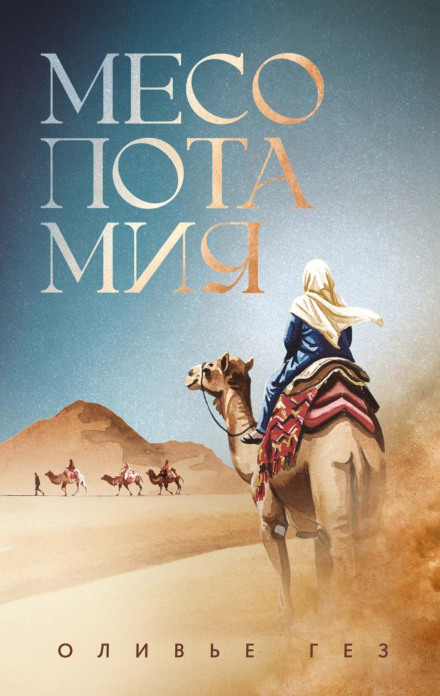
Mesopotamia
11 hrs. 26 min.
Language
Russian
Author
Gez Olivier
Author
Gez Olivier
Narrator
Varvara Sapova
Narrator
Varvara Sapova
Description
Born into a wealthy family, a fearless adventurer, archaeologist, and intelligence officer who spoke Arabic and Persian fluently, Gertrude Bell built a political career in the early 20th century—one that not only women, but even men, did not dare to dream of. Werner Herzog, who made a film about her, called it “Queen of the Desert”—and this is an exact description: Bell influenced the course of history in the Middle East, an ancient region that all the great powers were competing for at the time.
Olivier Guez reveals Gertrude above all as a living person—with flaws, inner fractures, and personal tragedies. Kings and presidents paid her respect, she was close to Lawrence of Arabia, but she never found happiness. And perhaps could such a strong, independent woman ever have received what is commonly called “women’s happiness”?
Olivier Guez reveals Gertrude above all as a living person—with flaws, inner fractures, and personal tragedies. Kings and presidents paid her respect, she was close to Lawrence of Arabia, but she never found happiness. And perhaps could such a strong, independent woman ever have received what is commonly called “women’s happiness”?
100%
03:21
00
24:40
01
16:08
02
36:49
03
04:41
04
48:47
05
20:31
06
10:50
07
16:00
08
29:41
09
10:18
10
17:56
11
42:01
12
28:15
13
25:48
14
12:15
15
39:07
16
13:52
17
36:27
18
27:54
19
35:33
20
22:19
21
27:56
22
25:32
23
45:19
24
11:12
25
27:40
26
12:39
27
13:24
28
