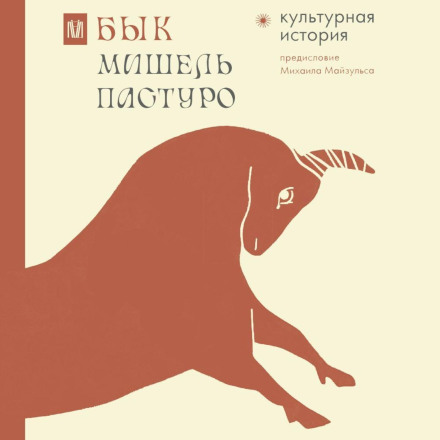
Бик. Культурна історія
4 год. 11 хв.
Опис
Ті- що були одомашнені понад 10 000 років тому, бик при цьому залишався найдикішою домашньою твариною. У всі часи й у всіх культурах бик символізував енергію та плодючість, а для багатьох давніх народів бик був божеством, що вселяло трепет. Та християнство з самого початку свого існування почало боротися з культами биків; у результаті цього впливу бик став мирною, спокійною й працьовитою твариною — і з часом повністю пішов у пасторальні пейзажі. І лише значно пізніше, вже в добу індустріальної революції, бик знову набуває сили в культурі, стаючи символом могутності, працьовитості, первозданних сил і самої землі. Про цю історію, культурну еволюцію образу, художні репрезентації та вплив на людство — у цій книзі всесвітньо відомого історика Мішеля Пастуро. Мішель Пастуро — всесвітньо відомий історик-медієвіст, фахівець із геральдики, дослідник культурної й символічної історії Європи. Пастуро — професор Сорбонни та Паризької практичної школи вищих досліджень, автор популярних книг із культурної історії квітів і образів тварин.
100%
33:33
Бык. Культурная история - 0 - Предисловие. Символическая история рогов
21:00
Бык. Культурная история - 1 - 1. Тур
22:13
Бык. Культурная история - 2 - 2. От тура к волу
26:13
Бык. Культурная история - 3 - 3. Мифология тура и быка
26:16
Бык. Культурная история - 4 - 4. Первое божество_
22:15
Бык. Культурная история - 5 - 5. Христианство и бык
27:44
Бык. Культурная история - 6 - 6. От бестиариев к энциклопедиям
24:08
Бык. Культурная история - 7 - 7. Эмблемы и символы
24:08
Бык. Культурная история - 8 - 8. Корова в сельском пейзаже
24:05
Бык. Культурная история - 9 - 9. Коррида
