Atlantida
9 hrs. 17 min.
Language
Russian
Author
Pierre Benoit
Author
Pierre Benoit
Narrator
Lyudmila Larionova
Narrator
Lyudmila Larionova
Description
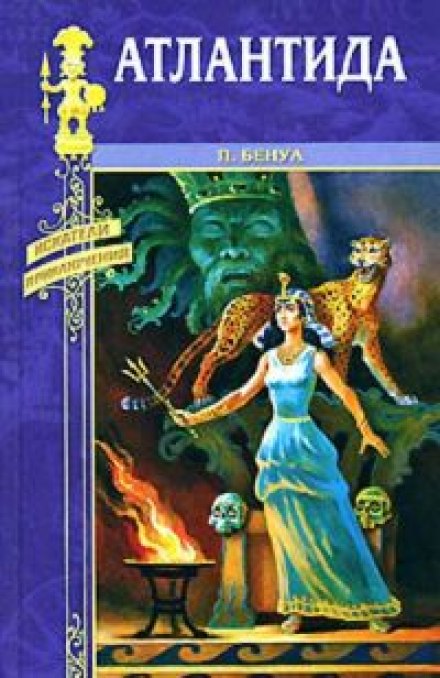
Sahara, 1896. Officers Lieutenant André de Saint-Avy and Captain Jean Morange investigate the disappearance of two of their comrades. Suddenly, they themselves are kidnapped, and the officers find themselves in the underground holdings of the heiress to the rulers of Atlantis—the beauty Antinea.
Their friends face inevitable death, because anyone who first looks at her loses their mind, and then—loses their life.
Pierre Benoit—a name without expression, so commonplace that it’s hard to remember—sounded in the days of war. But its author turned out to be on this side of the war—and that’s why hundreds of thousands of hands reached for his book. The Academy awarded it a national prize for literature; it has been translated into many foreign languages. That means it came in time, it means it quenched someone’s hunger.
What, then, is the internal and external structure of this winning book—and what novelty does it bring? By its own assignment, it revives the adventure novel—an “adventurous” novel. It is akin to Amadis of Gaul, whom Don Quixote read, to Dumas’s “The Musketeers,” to Stevenson’s “Treasure Island.”
Their friends face inevitable death, because anyone who first looks at her loses their mind, and then—loses their life.
Pierre Benoit—a name without expression, so commonplace that it’s hard to remember—sounded in the days of war. But its author turned out to be on this side of the war—and that’s why hundreds of thousands of hands reached for his book. The Academy awarded it a national prize for literature; it has been translated into many foreign languages. That means it came in time, it means it quenched someone’s hunger.
What, then, is the internal and external structure of this winning book—and what novelty does it bring? By its own assignment, it revives the adventure novel—an “adventurous” novel. It is akin to Amadis of Gaul, whom Don Quixote read, to Dumas’s “The Musketeers,” to Stevenson’s “Treasure Island.”
100%
05:12
1001.MP3
05:03
1002.MP3
05:11
1003.MP3
05:01
1004.MP3
05:04
1005.MP3
05:18
1006.MP3
05:01
1007.MP3
05:09
1008.MP3
05:02
1009.MP3
05:03
1010.MP3
05:01
1011.MP3
05:18
1012.MP3
05:03
1013.MP3
05:04
1014.MP3
05:02
1015.MP3
05:09
1016.MP3
05:02
1017.MP3
05:03
1018.MP3
05:04
1019.MP3
05:01
1020.MP3
05:07
1021.MP3
05:04
1022.MP3
05:06
1023.MP3
05:23
1024.MP3
05:16
1025.MP3
05:04
1026.MP3
05:01
1027.MP3
05:01
1028.MP3
05:01
1029.MP3
05:02
1030.MP3
05:03
1031.MP3
05:05
1032.MP3
05:11
1033.MP3
05:12
1034.MP3
05:18
1035.MP3
05:05
1036.MP3
05:01
1037.MP3
05:05
1038.MP3
05:01
1039.MP3
05:10
1040.MP3
05:04
1041.MP3
05:10
1042.MP3
05:05
1043.MP3
05:32
1044.MP3
05:02
1045.MP3
05:47
1046.MP3
05:02
1047.MP3
05:24
1048.MP3
05:18
1049.MP3
05:19
1050.MP3
05:11
1051.MP3
05:09
1052.MP3
05:05
1053.MP3
05:04
1054.MP3
05:01
1055.MP3
05:10
1056.MP3
05:01
1057.MP3
05:06
1058.MP3
05:03
1059.MP3
05:03
1060.MP3
05:02
1061.MP3
05:03
1062.MP3
05:04
1063.MP3
05:01
1064.MP3
05:03
1065.MP3
05:03
1066.MP3
05:03
1067.MP3
05:01
1068.MP3
05:01
1069.MP3
05:03
1070.MP3
05:05
1071.MP3
05:03
1072.MP3
05:10
1073.MP3
05:08
1074.MP3
05:02
1075.MP3
05:07
1076.MP3
05:01
1077.MP3
05:01
1078.MP3
05:27
1079.MP3
05:02
1080.MP3
05:09
1081.MP3
05:12
1082.MP3
05:10
1083.MP3
05:02
1084.MP3
05:02
1085.MP3
05:03
1086.MP3
05:05
1087.MP3
05:04
1088.MP3
05:04
1089.MP3
05:08
1090.MP3
05:04
1091.MP3
05:06
1092.MP3
05:02
1093.MP3
05:12
1094.MP3
05:09
1095.MP3
05:04
1096.MP3
05:07
1097.MP3
05:01
1098.MP3
05:03
1099.MP3
05:02
1100.MP3
05:04
1101.MP3
05:01
1102.MP3
05:03
1103.MP3
05:02
1104.MP3
05:05
1105.MP3
05:02
1106.MP3
05:02
1107.MP3
05:05
1108.MP3
05:10
1109.MP3
00:58
1110.MP3
