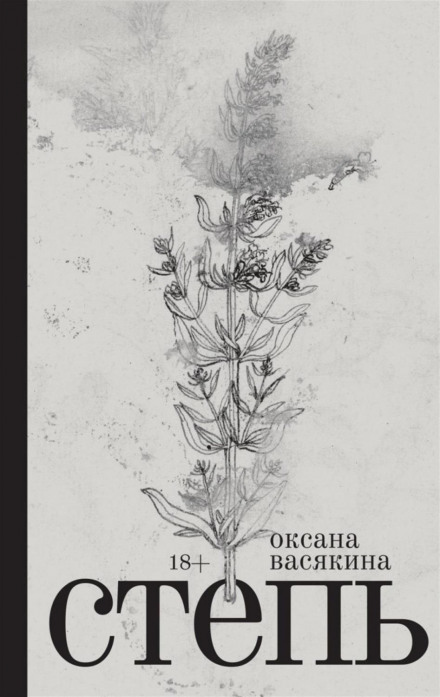
The Steppe
5 hrs. 57 min.
Language
Russian
Author
Oksana Vasyakina
Author
Oksana Vasyakina
Narrator
Oksana Vasyakina
Narrator
Oksana Vasyakina
Description
Ten years have passed since her parents’ divorce. Now the daughter meets her father—a long-haul driver—and sets off with him on the road. Their route runs through central Russia and the southern regions, where they are surrounded by endless steppe. “The Steppe” is a very personal novel, filtered through Oksana Vasyakina’s own experiences. The language of “The Steppe” is symbolism: searching for images in landscapes seen from the truck window, and deep emotional and philosophical reflections—on everything that is sometimes so sharply contrasting, yet endlessly relevant: life and death, illness and health, parents and children, the male and the female. “The Steppe” is the second part of a dilogy after the debut novel “Wound,” in which Vasyakina describes the daughter’s farewell to her deceased mother. “The Steppe” continues the monologue, but now about the father—about how heavy reality destroyed him, leaving him with nothing. From the steppe vistas through the windshield of a truck, we see the opposites of human fate: boundless expanses and personal insignificance, long roads and a short life.
100%
18:15
Степь - 0 -
11:12
Степь - 1 -
19:22
Степь - 2 -
11:39
Степь - 3 -
13:16
Степь - 4 -
20:44
Степь - 5 -
33:16
Степь - 6 -
12:47
Степь - 7 -
23:24
Степь - 8 -
08:30
Степь - 9 -
10:22
Степь - 10 -
11:59
Степь - 11 -
18:34
Степь - 12 -
11:27
Степь - 13 -
12:29
Степь - 14 -
30:58
Степь - 15 -
15:53
Степь - 16 -
43:24
Степь - 17 -
06:54
Степь - 18 -
23:26
Степь - 19 -
