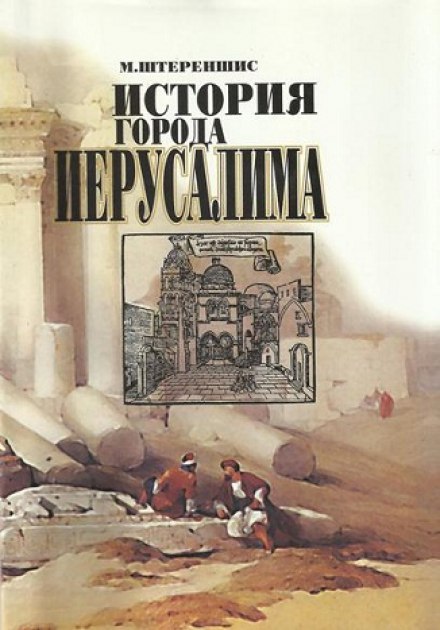
Історія міста Єрусалима
15 год. 0 хв.
Мова
російська
Автор
Михайло Штеренштіс
Автор
Михайло Штеренштіс
Читець
Атлас Алекс
Читець
Атлас Алекс
Опис
У запропонованій книзі історію міста описано докладно в усіх аспектах. Місто стало частиною історії євреїв, греків, римлян, персів, єгиптян, турків, західних європейців, росіян, ефіопів і навіть австралійців. Останні воювали в Палестині в Першу світову війну. Помилки старих книг враховано.
Так, наприклад, окрім християнського й єврейського паломництва до міста описано й мусульманське. У вступах у доступній формі розповідається про те, що археологія, історіографія та фотографія дали й можуть ще дати для вивчення ранньої та пізньої історії Єрусалима.
Ця книга не є сухим викладом хронології розвитку міста. Історія міста — це не просто зміна релігій, завойовників і правителів. «Офіційна» історія міста, історія письмових джерел і архітектурних пам’яток у книзі переплітається з живою народною історією, що збереглася в легендах його мешканців. Усі періоди історії Єрусалима описані однаково докладно й без помітних однобоких акцентів. Це робить книгу однаково цікавою як для ізраїльського читача, так і загалом для читача, який читає російською. Історія міста подається як історія конгломерату різних націй за різних вірувань, які знайшли формулу балансу співіснування в одному місці.
Зокрема для читачів у Росії будуть цікаві дані про розвиток російської церковної місії в місті, а також незвичні свіжі дані про паломництво в Єрусалим християн, євреїв і мусульман Російської імперії.
Книга про Єрусалим немислима без спеціальної релігійної та географічної термінології, а така термінологія існує на івриті, арабською і частково турецькою. Окрім термінології, важливе питання власних імен, багато з яких, крім своєї істинної єврейської або арабської форми, існують також у канонізованих російських варіантах. Ця книга писалася такою російською мовою, яка була б зрозуміла читачеві, де б він не жив — в Ізраїлі чи за його межами…
Так, наприклад, окрім християнського й єврейського паломництва до міста описано й мусульманське. У вступах у доступній формі розповідається про те, що археологія, історіографія та фотографія дали й можуть ще дати для вивчення ранньої та пізньої історії Єрусалима.
Ця книга не є сухим викладом хронології розвитку міста. Історія міста — це не просто зміна релігій, завойовників і правителів. «Офіційна» історія міста, історія письмових джерел і архітектурних пам’яток у книзі переплітається з живою народною історією, що збереглася в легендах його мешканців. Усі періоди історії Єрусалима описані однаково докладно й без помітних однобоких акцентів. Це робить книгу однаково цікавою як для ізраїльського читача, так і загалом для читача, який читає російською. Історія міста подається як історія конгломерату різних націй за різних вірувань, які знайшли формулу балансу співіснування в одному місці.
Зокрема для читачів у Росії будуть цікаві дані про розвиток російської церковної місії в місті, а також незвичні свіжі дані про паломництво в Єрусалим християн, євреїв і мусульман Російської імперії.
Книга про Єрусалим немислима без спеціальної релігійної та географічної термінології, а така термінологія існує на івриті, арабською і частково турецькою. Окрім термінології, важливе питання власних імен, багато з яких, крім своєї істинної єврейської або арабської форми, існують також у канонізованих російських варіантах. Ця книга писалася такою російською мовою, яка була б зрозуміла читачеві, де б він не жив — в Ізраїлі чи за його межами…
100%
07:32
01_01
06:42
01_02
06:25
01_03
07:55
01_04
07:45
01_05
05:40
01_06
05:56
01_07
05:41
01_Предисловие
09:10
02_01
13:24
02_02
11:35
02_03
14:30
02_04
13:16
02_05
14:29
02_06
04:28
02_Географическое предуведомление
08:44
03_01
07:16
03_02
16:13
03_Вступление_1
05:15
04_01
05:31
04_02
29:05
04_Вступление_2
01:13
05_01
05:27
05_02
06:05
05_03
06:53
05_04
03:41
05_Вступление_3
05:28
06_01
06:18
06_02
07:40
06_03
04:51
06_04
04:37
06_05
05:27
07_01
05:42
07_02
04:58
07_03
05:29
07_04
06:54
08_01
06:02
08_02
05:29
08_03
05:03
09_01
04:36
09_02
06:00
09_03
05:24
09_04
05:52
09_05
05:23
09_06
06:49
10_01
06:16
10_02
07:17
10_03
08:51
11_01
07:45
11_02
09:03
11_03
09:27
11_04
09:57
11_05
08:44
11_06
09:34
12_01
19:26
12_02
10:05
12_03
10:44
12_04
09:51
12_05
10:29
12_06
13:21
13_01
11:52
13_02
12:51
13_03
14:09
13_04
14:39
13_05
12:12
13_06
14:55
13_07
09:50
14_01
11:13
14_02
11:07
14_03
11:19
14_04
13:34
14_05
09:53
15_01
09:29
15_02
11:48
15_03
12:37
15_04
07:43
16_01
07:50
16_02
07:09
16_03
05:28
16_04
07:46
17_01
10:33
17_02
11:08
17_03
12:50
17_04
06:52
17_05
07:16
18_01
05:40
18_02
08:34
18_03
07:11
19_01
06:32
19_02
06:34
19_03
06:30
20_01
04:33
20_02
01:54
20_03
06:35
20_04
06:36
20_05
04:49
21_01
05:33
21_02
05:23
21_03
12:36
22_01
11:13
22_02
15:20
22_03
07:19
22_04
06:17
22_05
09:51
22_06
06:26
22_07
