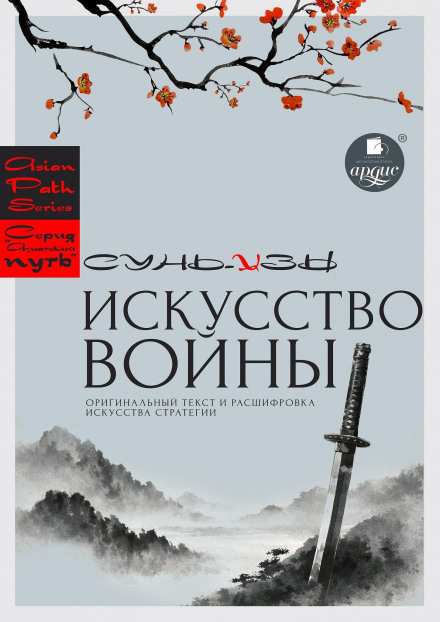
«Мистецтво війни» Сунь-цзи: оригінальний текст та розшифрування мистецтва стратегії
7 год. 24 хв.
Опис
Студія «АРДИС» представляє аудіокнигу «Сунь-цзи. Мистецтво війни. Оригінальний текст і розшифровка мистецтва стратегії».
Це видання справді незвичайне: у першому розділі зібрано одразу два переклади трактату Сунь-цзи «Мистецтво війни» — фундаментальної праці про стратегічне мислення, актуальної й сьогодні. Один переклад виконано максимально близько до китайського оригіналу, другий ґрунтується на французькому виданні та вперше публікується російською мовою. Саме публікація Жана Жозефа Аміо 1772 року стала першою широко відомою спробою «прочитати» давній текст крізь призму західноєвропейської думки. Тут ви побачите практичне, військове тлумачення лаконічних формул Сунь-цзи — своєрідну прикладну «розшифровку» його тез.
У другому розділі — сучасний погляд: текст підприємця Чжан Лі, який працює з бізнес-проєктами в Китаї та США, відомого як бізнес-стратег і коучер, — «Мистецтво війни» Сунь-цзи як путівник: Мистецтво стратегії по главах. Кожна глава трактату «перекладена» мовою сьогоднішнього бізнесу — конкуренції та ринків, переговорів і запусків, зростання та кризового управління. Таке прочитання допомагає перетворювати давні образи й метафори на зрозумілі принципи стратегічного мислення. Стратегія показана як навичка й ремесло: спостерігати, зважувати, робити вибір, діяти, зберігати ресурси та нести відповідальність за результат. А оскільки ремесло потребує навчання, в книзі є питання для самодіагностики, розбори ситуаційних задач і аналіз типових хибних уявлень.
Книга адресована широкому колу читачів, які цікавляться стратегією, але особливо стане в пригоді керівникам і підприємцям. Її цінність — у подвійному фокусі: спершу ідея звучить у давньому тексті, а потім розкривається в сучасній практиці. Військово-історичні приклади допомагають точніше зрозуміти принципи стратегії, а кейси з бізнесу — інколи зовсім нещодавні (аж до 2025 року) — роблять висновки впізнаваними та застосовними.
Це видання справді незвичайне: у першому розділі зібрано одразу два переклади трактату Сунь-цзи «Мистецтво війни» — фундаментальної праці про стратегічне мислення, актуальної й сьогодні. Один переклад виконано максимально близько до китайського оригіналу, другий ґрунтується на французькому виданні та вперше публікується російською мовою. Саме публікація Жана Жозефа Аміо 1772 року стала першою широко відомою спробою «прочитати» давній текст крізь призму західноєвропейської думки. Тут ви побачите практичне, військове тлумачення лаконічних формул Сунь-цзи — своєрідну прикладну «розшифровку» його тез.
У другому розділі — сучасний погляд: текст підприємця Чжан Лі, який працює з бізнес-проєктами в Китаї та США, відомого як бізнес-стратег і коучер, — «Мистецтво війни» Сунь-цзи як путівник: Мистецтво стратегії по главах. Кожна глава трактату «перекладена» мовою сьогоднішнього бізнесу — конкуренції та ринків, переговорів і запусків, зростання та кризового управління. Таке прочитання допомагає перетворювати давні образи й метафори на зрозумілі принципи стратегічного мислення. Стратегія показана як навичка й ремесло: спостерігати, зважувати, робити вибір, діяти, зберігати ресурси та нести відповідальність за результат. А оскільки ремесло потребує навчання, в книзі є питання для самодіагностики, розбори ситуаційних задач і аналіз типових хибних уявлень.
Книга адресована широкому колу читачів, які цікавляться стратегією, але особливо стане в пригоді керівникам і підприємцям. Її цінність — у подвійному фокусі: спершу ідея звучить у давньому тексті, а потім розкривається в сучасній практиці. Військово-історичні приклади допомагають точніше зрозуміти принципи стратегії, а кейси з бізнесу — інколи зовсім нещодавні (аж до 2025 року) — роблять висновки впізнаваними та застосовними.
100%
08:39
«Искусство войны» Сунь-цзы: оригинальный текст и расшифровка искусства стратегии 01
04:28
«Искусство войны» Сунь-цзы: оригинальный текст и расшифровка искусства стратегии 02
03:50
«Искусство войны» Сунь-цзы: оригинальный текст и расшифровка искусства стратегии 03
04:26
«Искусство войны» Сунь-цзы: оригинальный текст и расшифровка искусства стратегии 04
03:14
«Искусство войны» Сунь-цзы: оригинальный текст и расшифровка искусства стратегии 05
05:15
«Искусство войны» Сунь-цзы: оригинальный текст и расшифровка искусства стратегии 06
05:26
«Искусство войны» Сунь-цзы: оригинальный текст и расшифровка искусства стратегии 07
04:52
«Искусство войны» Сунь-цзы: оригинальный текст и расшифровка искусства стратегии 08
02:45
«Искусство войны» Сунь-цзы: оригинальный текст и расшифровка искусства стратегии 09
05:16
«Искусство войны» Сунь-цзы: оригинальный текст и расшифровка искусства стратегии 10
05:36
«Искусство войны» Сунь-цзы: оригинальный текст и расшифровка искусства стратегии 11
07:07
«Искусство войны» Сунь-цзы: оригинальный текст и расшифровка искусства стратегии 12
03:05
«Искусство войны» Сунь-цзы: оригинальный текст и расшифровка искусства стратегии 13
05:13
«Искусство войны» Сунь-цзы: оригинальный текст и расшифровка искусства стратегии 14
08:53
«Искусство войны» Сунь-цзы: оригинальный текст и расшифровка искусства стратегии 15
06:16
«Искусство войны» Сунь-цзы: оригинальный текст и расшифровка искусства стратегии 16
07:40
«Искусство войны» Сунь-цзы: оригинальный текст и расшифровка искусства стратегии 17
08:11
«Искусство войны» Сунь-цзы: оригинальный текст и расшифровка искусства стратегии 18
07:52
«Искусство войны» Сунь-цзы: оригинальный текст и расшифровка искусства стратегии 19
10:45
«Искусство войны» Сунь-цзы: оригинальный текст и расшифровка искусства стратегии 20
10:12
«Искусство войны» Сунь-цзы: оригинальный текст и расшифровка искусства стратегии 21
12:06
«Искусство войны» Сунь-цзы: оригинальный текст и расшифровка искусства стратегии 22
18:06
«Искусство войны» Сунь-цзы: оригинальный текст и расшифровка искусства стратегии 23
14:34
«Искусство войны» Сунь-цзы: оригинальный текст и расшифровка искусства стратегии 24
27:01
«Искусство войны» Сунь-цзы: оригинальный текст и расшифровка искусства стратегии 25
08:29
«Искусство войны» Сунь-цзы: оригинальный текст и расшифровка искусства стратегии 26
17:08
«Искусство войны» Сунь-цзы: оригинальный текст и расшифровка искусства стратегии 27
1:02:50
«Искусство войны» Сунь-цзы: оригинальный текст и расшифровка искусства стратегии 28
18:28
«Искусство войны» Сунь-цзы: оригинальный текст и расшифровка искусства стратегии 29
22:14
«Искусство войны» Сунь-цзы: оригинальный текст и расшифровка искусства стратегии 30
12:28
«Искусство войны» Сунь-цзы: оригинальный текст и расшифровка искусства стратегии 31
07:48
«Искусство войны» Сунь-цзы: оригинальный текст и расшифровка искусства стратегии 32
18:01
«Искусство войны» Сунь-цзы: оригинальный текст и расшифровка искусства стратегии 33
17:31
«Искусство войны» Сунь-цзы: оригинальный текст и расшифровка искусства стратегии 34
13:29
«Искусство войны» Сунь-цзы: оригинальный текст и расшифровка искусства стратегии 35
17:29
«Искусство войны» Сунь-цзы: оригинальный текст и расшифровка искусства стратегии 36
18:58
«Искусство войны» Сунь-цзы: оригинальный текст и расшифровка искусства стратегии 37
08:27
«Искусство войны» Сунь-цзы: оригинальный текст и расшифровка искусства стратегии 38
