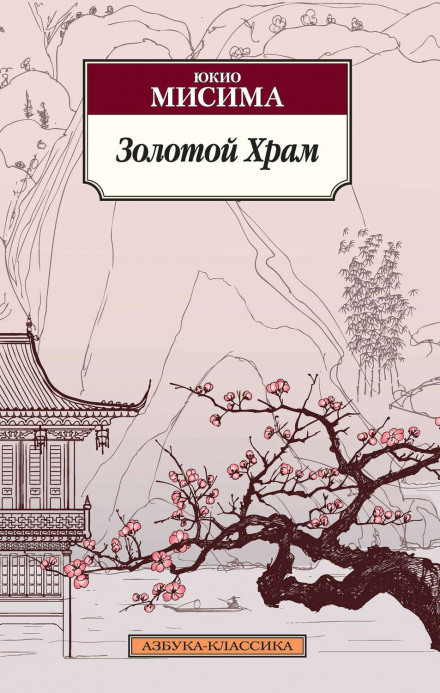
The Temple of the Golden Pavilion
9 hrs. 8 min.
Language
Russian
Author
Yukio Mishima
Author
Yukio Mishima
Narrator
Sergey Chonishvili
Narrator
Sergey Chonishvili
Description
In 1950, in a fit of madness, a young Buddhist novice sets fire to the famous Golden Temple in Kyoto. Yukio Mishima was so shaken by what happened that later he turned the story into a novel—one that is considered a pinnacle of Mishima’s work and also ranks among the most widely read books in the world of Japanese literature.
The young Mizoguchi is the son of a poor provincial priest. He is very frail and, to make matters worse, stammers—so from childhood he endures mockery from his peers. Unable to be understood by those around him, he becomes isolated from other children. The more unhappy he feels, the stronger his desire grows—for the true and perfect. The beauty of the Golden Temple, which his father described to him since childhood, becomes for him the ideal of what is beautiful: close, yet unattainable. The temple image won’t let him go—it haunts him, disrupts his normal life, even interfering with his relationships with women. In despair, Mizoguchi sees only one way out: destroy the very thing he worships most.
The young Mizoguchi is the son of a poor provincial priest. He is very frail and, to make matters worse, stammers—so from childhood he endures mockery from his peers. Unable to be understood by those around him, he becomes isolated from other children. The more unhappy he feels, the stronger his desire grows—for the true and perfect. The beauty of the Golden Temple, which his father described to him since childhood, becomes for him the ideal of what is beautiful: close, yet unattainable. The temple image won’t let him go—it haunts him, disrupts his normal life, even interfering with his relationships with women. In despair, Mizoguchi sees only one way out: destroy the very thing he worships most.
