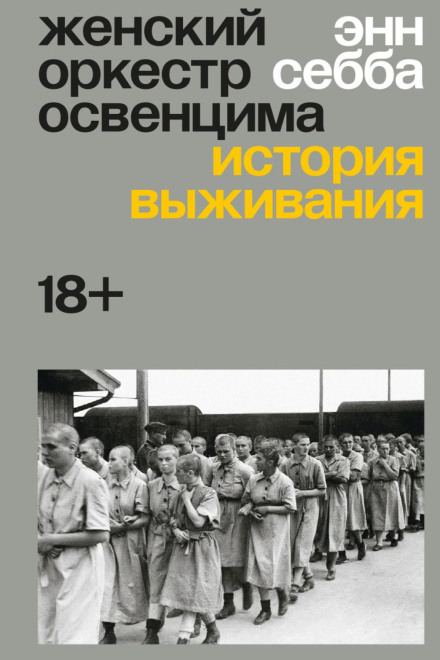
Женский оркестр Освенцима. История выживания
12 hrs. 10 min.
Language
Russian
Author
Ann Sebba
Author
Ann Sebba
Narrator
Dmitry Strelkov
Narrator
Dmitry Strelkov
Description
In 1943, SS men who ran the camp system near the Polish Auschwitz ordered that a musical orchestra be formed from among the female prisoners. Nearly fifty inmates from eleven countries, despite the cold and bad weather, played marching music, accompanying columns of fellow forced laborers. In inhuman conditions, the participants were made to perform regularly and in front of Nazi officers, and some girls were occasionally called out for solo numbers. For most of them, this became a chance to survive. But what was the price of that “rescue”?
Historian and biographer Anne Sebba, drawing on archives and rare accounts from eyewitnesses, examines this tragic story in detail—one in which almost every step is tied to a moral choice. What did music inside a death camp mean? How did it reflect itself on those who survived thanks to their involvement in a Nazi propaganda scheme? And what is it like—to play for people whose will, including that of your own relatives, led to deaths?
Historian and biographer Anne Sebba, drawing on archives and rare accounts from eyewitnesses, examines this tragic story in detail—one in which almost every step is tied to a moral choice. What did music inside a death camp mean? How did it reflect itself on those who survived thanks to their involvement in a Nazi propaganda scheme? And what is it like—to play for people whose will, including that of your own relatives, led to deaths?
100%
26:28
00
1:14:28
01
1:14:59
02
1:06:57
03
1:05:21
04
1:14:45
05
1:09:32
06
58:05
07
26:08
08
53:02
09
1:24:11
10
38:56
11
13:04
12
04:15
13
