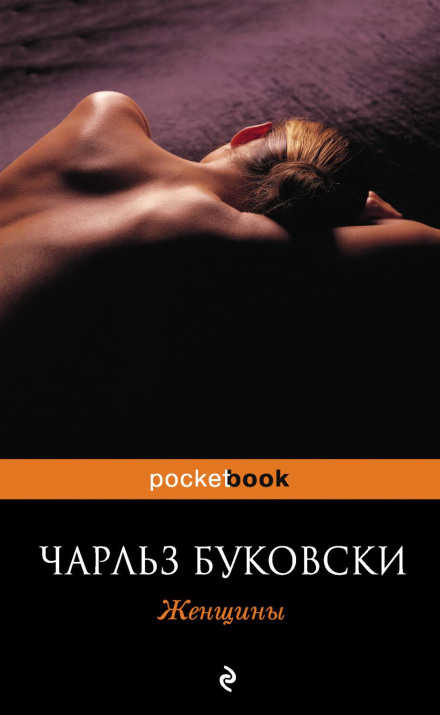
Women
11 hrs. 14 min.
Language
Russian
Author
Charles Bukowski
Author
Charles Bukowski
Narrator
Kirill Radtsig
Narrator
Kirill Radtsig
Description
Charles Bukowski is a famous American writer of the 20th century, author of more than 40 books of various genres, including novels, poems, essays, and short stories. In his works he uses a naturalistic style, but they also contain lyricism and a distinctive kind of sentimentality.
His novel “Women” has all the characteristic features of his style—such as self-irony, lots of sexual scenes, and a dynamic plot. The book’s main character, Henry Chinaski, is a 50-year-old man who serves as an alter ego of the author himself. The novel includes many explicit sexual scenes, but at the center of it all is the hero’s endless love for women, his admiration and contempt.
Bukowski created the image of a rebel and a romantic who doesn’t accept rules and stays away from social stereotypes. His prose and poetry, which seem rough and cynical, actually contain deep poetry that can capture a reader’s heart forever.
It seems Bukowski wasn’t interested in whether people would hear him or not. He walked his own path, despising those who saw themselves as refined—art that seemed to him empty and degenerate.
His novel “Women” has all the characteristic features of his style—such as self-irony, lots of sexual scenes, and a dynamic plot. The book’s main character, Henry Chinaski, is a 50-year-old man who serves as an alter ego of the author himself. The novel includes many explicit sexual scenes, but at the center of it all is the hero’s endless love for women, his admiration and contempt.
Bukowski created the image of a rebel and a romantic who doesn’t accept rules and stays away from social stereotypes. His prose and poetry, which seem rough and cynical, actually contain deep poetry that can capture a reader’s heart forever.
It seems Bukowski wasn’t interested in whether people would hear him or not. He walked his own path, despising those who saw themselves as refined—art that seemed to him empty and degenerate.
100%
10:10
001
05:21
002
05:45
003
09:25
004
06:48
005
06:57
006
08:07
007
10:34
008
05:11
009
02:46
010
08:53
011
05:45
012
03:04
013
02:45
014
04:25
015
05:49
016
04:37
017
10:54
018
14:35
019
06:45
020
05:25
021
05:04
022
06:27
023
01:54
024
04:31
025
10:18
026
02:24
027
03:35
028
02:41
029
15:55
030
06:31
031
06:46
032
03:10
033
02:33
034
06:18
035
05:40
036
07:03
037
05:16
038
04:11
039
01:35
040
02:38
041
02:06
042
02:41
043
03:41
044
02:48
045
05:23
046
01:33
047
02:03
048
02:51
049
01:19
050
03:19
051
01:53
052
07:13
053
05:43
054
01:26
055
03:01
056
04:10
057
05:17
058
01:51
059
04:47
060
03:20
061
02:09
062
04:07
063
07:48
064
03:06
065
01:59
066
08:50
067
11:19
068
06:07
069
07:23
070
03:00
071
04:34
072
04:20
073
10:47
074
01:40
075
02:10
076
03:03
077
04:08
078
02:52
079
10:10
080
03:26
081
02:52
082
05:49
083
10:26
084
12:29
085
08:45
086
08:54
087
07:36
088
11:25
089
16:33
090
19:41
091
11:34
092
24:57
093
10:06
094
10:12
095
17:15
096
10:11
097
11:56
098
10:30
099
08:53
100
14:21
101
01:51
102
09:17
103
10:44
104
