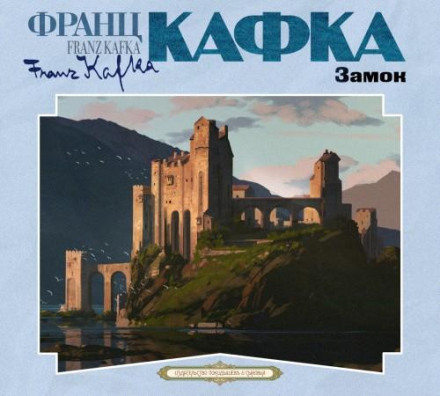
The Castle
11 hrs. 52 min.
Language
Russian
Author
Franz Kafka
Author
Franz Kafka
Narrator
Vsevolod Kuznetsov
Narrator
Vsevolod Kuznetsov
Description
A great novel by the foremost literary mystic and one of the most penetrating philosophical works of the 20th century.
A certain K. arrives in the Village to take a post as a surveyor. Only, he isn’t admitted to the Castle; in the Village they don’t accept him; and he also can’t return home. The world around him turns into a labyrinth of absurdity: roads evaporate, people behave strangely, and time seems to slow down. For the doors of the Castle to finally open, K. must sort out the local bureaucracy and go through all the necessary authorities. There’s one catch—everyone in the village knows you can’t just enter the Castle, but nobody knows where you should start.
The absurdity and surrealism of “The Castle” may seem like nonsense, but it’s a perfectly logical system in which everyone discovers the outlines of their own failures in life. The plot of the novel consists of a chain of frustrations in which K. repeatedly—unsuccessfully—tries to climb up the career ladder. Under the mask of a magical fairy tale and an unclear dream lies everyday life—banally simple and painfully familiar.
In 2002, the Norwegian Book Club, together with the Nobel Institute, included “The Castle” in their list of the one hundred best books of all time.
A certain K. arrives in the Village to take a post as a surveyor. Only, he isn’t admitted to the Castle; in the Village they don’t accept him; and he also can’t return home. The world around him turns into a labyrinth of absurdity: roads evaporate, people behave strangely, and time seems to slow down. For the doors of the Castle to finally open, K. must sort out the local bureaucracy and go through all the necessary authorities. There’s one catch—everyone in the village knows you can’t just enter the Castle, but nobody knows where you should start.
The absurdity and surrealism of “The Castle” may seem like nonsense, but it’s a perfectly logical system in which everyone discovers the outlines of their own failures in life. The plot of the novel consists of a chain of frustrations in which K. repeatedly—unsuccessfully—tries to climb up the career ladder. Under the mask of a magical fairy tale and an unclear dream lies everyday life—banally simple and painfully familiar.
In 2002, the Norwegian Book Club, together with the Nobel Institute, included “The Castle” in their list of the one hundred best books of all time.
100%
36:59
01
34:32
02
26:15
03
29:41
04
41:19
05
29:58
06
23:00
07
20:17
08
23:36
09
13:06
10
24:37
11
15:22
12
21:35
13
23:51
14
19:49
15
37:52
16
34:59
17
21:41
18
16:30
19
35:50
20
18:39
21
25:09
22
37:26
23
34:49
24
1:05:58
25
