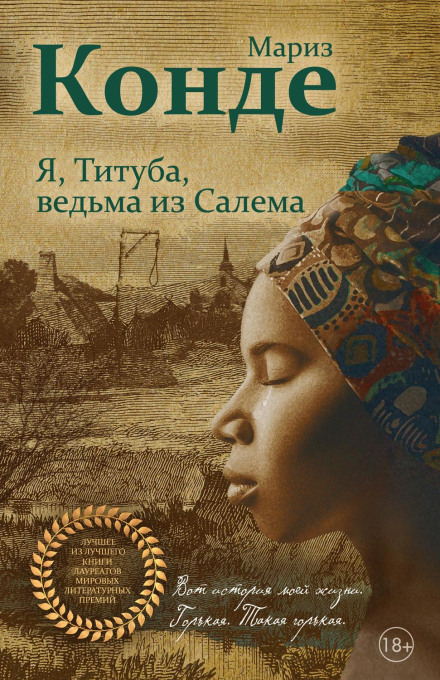
I, Tituba, Black Witch of Salem
7 hrs. 17 min.
Language
Russian
Author
Maryse Condé
Author
Maryse Condé
Narrator
Ksenia Ogneva
Narrator
Ksenia Ogneva
Description
The historical novel “I, Tituba, the Witch of Salem” sheds light on the events of 1692 connected with the persecution of witches, which resulted in the execution of nineteen people. At the age of seven, Tituba witnessed a terrible scene—the death of her mother. Later she ended up in slavery and was taken to America, where she faced accusations of witchcraft. Mariz Con-de doesn’t just portray the fate of a Black woman; she also raises important social issues, arguing that a healthy society must be free of racism and sexism.
