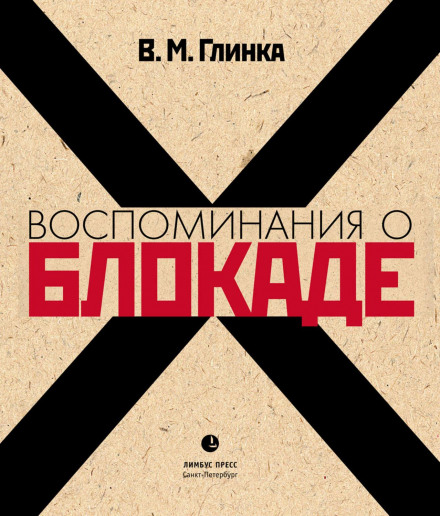
Memories of the Siege
8 hrs. 29 min.
Language
Russian
Author
Vladislav Glinka
Author
Vladislav Glinka
Narrator
Yury Belyk
Narrator
Yury Belyk
Description
Vladislav Mikhailovich Glinka (1903–1983) was a writer and historian who worked for many years at the State Hermitage. He survived the Siege of Leningrad while working during that brutal time as a custodian at the Hermitage, as a feldsher at a hospital, and at the same time ensuring the preservation of the IRLI collections of the USSR Academy of Sciences (“The Pushkin House”). The manuscript of “Memoirs of the Blockade” was found by V. M. Glinka’s heirs after the author’s death while sorting through his archive. The account of the first blockade winter in Leningrad is undoubtedly the main work in the author’s memoirs, where the main characters are two layers of people who ended up in the blockade. One of these layers is the dying. The other, by contrast, is astonishingly resilient. This is a distinctive feature of V. M. Glinka’s blockade memoirs: scenes that characterize the inevitability of entire layers of cultural workers’ death under the conditions of the disaster of 1941–42.
