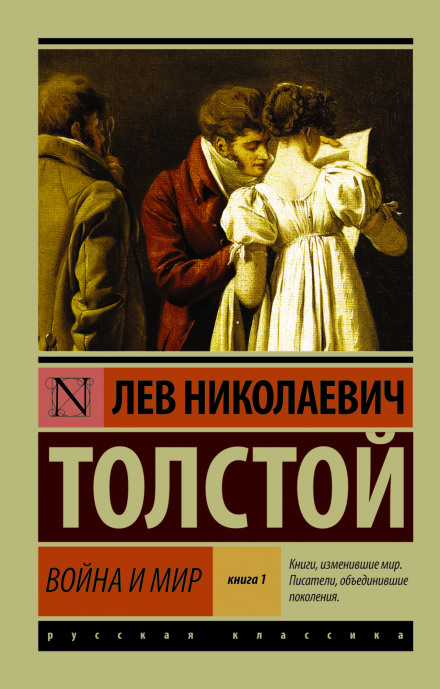
War and Peace
79 hrs. 54 min.
Language
Russian
Author
Leo Tolstoy
Author
Leo Tolstoy
Narrator
Yefim Kamenetsky
Narrator
Yefim Kamenetsky
Description
“War and Peace” is Leo Tolstoy’s best-known novel—more than any other work of the author, it reflects the depth of his sense of the world and his philosophy.
This is a book from the category of the eternal, because it is about everything: life and death, love and honor, courage and heroism, glory and deeds, war and peace.
Volume One acquaints us with the high society of 19th-century Russia. It depicts relationships between parents and children in the Rostovs’ family, the marriage proposals among the Bolkonskys, the intrigues of the Bezukhovs, evenings in the drawing room of the countess A.P. Scherer, balls in Moscow and St. Petersburg.
Volume Two tells of the unfolding war of 1812; Pierre Bezukhov’s duel with the reckless Dolokhov, Masonic gatherings, and Natasha Rostova’s first ball—intertwining plot lines preserve the intrigue of the story from the first to the last page.
In the third volume, the transition of French troops across the Neman is shown in the smallest detail, as well as the surrender of Smolensk, the Battle of Borodino, and the burning of Moscow. In contrast to the hypocritical punishment for using the French language, there is the heroic act of Pierre Bezukhov, who saves a girl from a burning house.
The concluding volume of the epic opens its heroes from a new angle, and familiar plot lines take an unexpected turn. The moral changes in Natasha Rostova after the death of Prince Andrei, the love of Nikolai Rostov and the princess Marya Bolkonskaya, Pierre Bezukhov’s meeting with Platon Karataev in French captivity… Seemingly separate events line up into an inseparable chain, supplementing and clarifying the philosophical idea of the brilliant writer.
This is a book from the category of the eternal, because it is about everything: life and death, love and honor, courage and heroism, glory and deeds, war and peace.
Volume One acquaints us with the high society of 19th-century Russia. It depicts relationships between parents and children in the Rostovs’ family, the marriage proposals among the Bolkonskys, the intrigues of the Bezukhovs, evenings in the drawing room of the countess A.P. Scherer, balls in Moscow and St. Petersburg.
Volume Two tells of the unfolding war of 1812; Pierre Bezukhov’s duel with the reckless Dolokhov, Masonic gatherings, and Natasha Rostova’s first ball—intertwining plot lines preserve the intrigue of the story from the first to the last page.
In the third volume, the transition of French troops across the Neman is shown in the smallest detail, as well as the surrender of Smolensk, the Battle of Borodino, and the burning of Moscow. In contrast to the hypocritical punishment for using the French language, there is the heroic act of Pierre Bezukhov, who saves a girl from a burning house.
The concluding volume of the epic opens its heroes from a new angle, and familiar plot lines take an unexpected turn. The moral changes in Natasha Rostova after the death of Prince Andrei, the love of Nikolai Rostov and the princess Marya Bolkonskaya, Pierre Bezukhov’s meeting with Platon Karataev in French captivity… Seemingly separate events line up into an inseparable chain, supplementing and clarifying the philosophical idea of the brilliant writer.
100%
1
18:52
001
11:12
002
17:50
003
24:16
004
11:55
005
37:56
006
13:51
007
07:39
008
11:07
009
06:29
010
12:45
011
12:57
012
15:51
013
05:43
014
18:41
015
08:53
016
16:11
017
22:32
018
15:32
019
16:41
020
13:54
021
31:47
022
16:23
023
13:17
024
28:07
025
15:17
026
23:22
027
20:56
028
25:24
029
09:28
030
08:13
031
14:17
032
27:51
033
15:49
034
18:00
035
07:38
036
16:34
037
18:00
038
10:19
039
16:15
040
07:41
041
15:20
042
14:29
043
16:53
044
18:29
045
24:03
046
30:01
047
29:05
048
27:43
049
25:39
050
18:21
051
18:28
052
27:32
053
16:00
054
19:44
055
16:19
056
12:51
057
21:35
058
18:53
059
17:09
060
19:04
061
12:46
062
16:11
063
21:37
064
14:54
065
1
24:49
001
18:14
002
15:34
003
16:33
004
07:52
005
15:09
006
11:19
007
12:52
008
08:03
009
11:01
010
07:46
011
09:37
012
10:11
013
09:31
014
11:11
015
10:25
016
11:20
017
21:19
018
24:43
019
12:56
020
06:03
021
14:29
022
04:56
023
13:17
024
17:40
025
15:16
026
26:04
027
11:32
028
10:32
029
06:33
030
13:37
031
15:45
032
11:42
033
08:40
034
12:52
035
11:19
036
14:55
037
10:12
038
09:00
039
07:48
040
10:09
041
16:31
042
10:16
043
14:43
044
10:59
045
08:03
046
18:25
047
12:22
048
08:16
049
11:42
050
10:51
051
09:03
052
11:39
053
06:43
054
15:27
055
06:43
056
10:10
057
09:38
058
11:50
059
19:16
060
09:38
061
13:02
062
11:47
063
13:47
064
06:05
065
09:08
066
18:14
067
16:05
068
21:35
069
27:38
070
09:45
071
11:44
072
24:18
073
11:35
074
09:23
075
09:33
076
16:55
077
12:51
078
17:33
079
08:44
080
15:14
081
09:55
082
12:21
083
12:33
084
16:45
085
11:47
086
08:23
087
10:50
088
11:16
089
10:30
090
18:15
091
15:59
092
08:06
093
10:24
094
12:44
095
10:30
096
12:52
097
10:34
098
1
17:10
001
12:36
002
11:48
003
12:48
004
07:03
005
22:28
006
10:17
007
21:01
008
24:00
009
11:17
010
16:45
011
13:40
012
08:28
013
09:23
014
10:10
015
10:19
016
11:09
017
16:12
018
12:14
019
16:43
020
16:37
021
17:40
022
06:10
023
18:16
024
13:19
025
08:09
026
32:38
027
21:43
028
13:29
029
11:08
030
29:53
031
15:31
032
16:48
033
08:41
034
07:13
035
12:24
036
14:27
037
20:11
038
11:30
039
12:56
040
15:03
041
16:52
042
11:46
043
14:12
044
11:29
045
06:01
046
10:02
047
24:22
048
13:21
049
10:26
050
09:14
051
09:01
052
10:07
053
23:18
054
05:28
055
10:12
056
15:57
057
13:04
058
16:46
059
10:22
060
11:21
061
09:21
062
11:50
063
11:33
064
09:40
065
12:19
066
08:29
067
12:01
068
13:30
069
07:09
070
10:18
071
10:00
072
07:10
073
12:56
074
10:57
075
08:25
076
10:16
077
15:13
078
14:21
079
10:26
080
14:33
081
08:44
082
07:57
083
07:25
084
12:43
085
12:28
086
31:19
087
17:45
088
13:51
089
09:19
090
31:44
091
05:34
092
15:01
093
23:34
094
20:42
095
13:40
096
1
13:43
001
08:24
002
09:22
003
16:10
004
10:12
005
14:39
006
14:59
007
14:06
008
07:18
009
12:29
010
12:48
011
16:30
012
09:15
013
17:16
014
13:34
015
19:34
016
11:04
017
07:46
018
09:32
019
05:55
020
04:31
021
10:43
022
07:07
023
07:12
024
11:48
025
11:10
026
13:15
027
09:33
028
10:32
029
14:07
030
08:03
031
07:37
032
09:50
033
05:40
034
07:24
035
10:25
036
08:20
037
08:53
038
11:03
039
10:36
040
06:41
041
10:26
042
06:36
043
08:49
044
12:47
045
08:35
046
10:21
047
09:32
048
04:38
049
07:45
050
05:20
051
05:07
052
05:03
053
15:00
054
14:30
055
07:24
056
09:30
057
10:02
058
11:25
059
09:25
060
07:05
061
10:52
062
06:55
063
18:10
064
05:41
065
10:10
066
16:58
067
08:04
068
10:52
069
08:40
070
16:28
071
16:16
072
06:19
073
05:14
074
10:57
075
06:29
076
15:35
077
08:56
078
11:16
079
13:55
080
10:29
081
11:31
082
17:34
083
15:42
084
09:47
085
14:44
086
09:35
087
15:46
088
14:35
089
17:12
090
14:58
091
14:02
092
07:14
093
20:56
094
09:44
095
12:04
096
11:20
097
14:16
098
18:40
099
17:35
100
04:58
101
07:28
102
