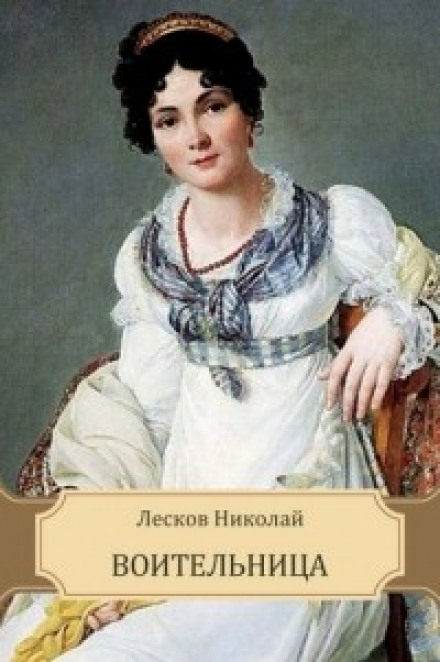
The Amazon
3 hrs. 24 min.
Language
Russian
Author
Nikolai Leskov
Author
Nikolai Leskov
Narrator
Alexey Bagdasarov
Narrator
Alexey Bagdasarov
Description
"The Warrior-Woman,” the second in the writer’s conceived series of female portraits, is interesting primarily as the first experience of Leskov’s “tale style.” At first glance, we seem to be faced with a typical moral and character sketch, similar to the so-called “physiological sketch,” with its characteristic posing of the problem of the individual and the environment: “Petersburg circumstances” leave an indelible mark on the heroine. The narrator expresses his point of view openly in comments on Domna Platonovna’s stories and indirectly—in the ironic remarks of a dialogue with her. However, in the process of their communication the explanatory pathos that dominates the narrator gives way to reflection, and his evaluations ultimately are neither final nor unconditional.
100%
29:59
01 Воительница
29:59
02 Воительница
30:02
03 Воительница
29:57
04 Воительница
30:03
05 Воительница
28:16
06 Воительница
26:22
07 Воительница
