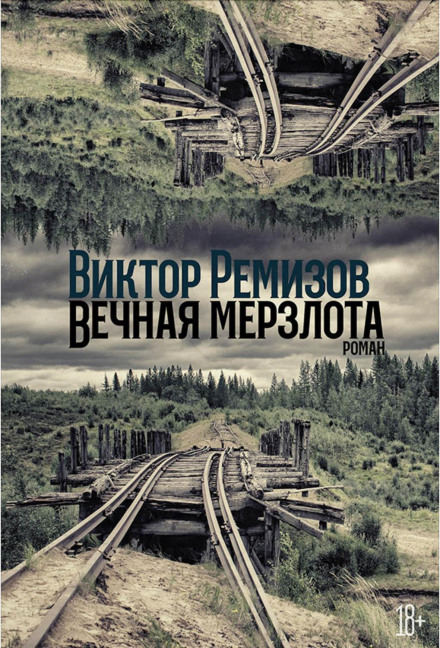
Permafrost
40 hrs. 25 min.
Language
Russian
Author
Viktor Remizov
Author
Viktor Remizov
Narrator
Sergey Chonishvili
Narrator
Sergey Chonishvili
Description
Victor Remizov’s books have been noticed by readers and literary critics, made it onto shortlists for major Russian literary awards—“Russkij Booker” and “The Big Book”—and have been translated into the main European languages. This book, too, reached the final of “The Big Book.” In “Permafrost,” the author turns again to Siberia, as he did in his two previous books. The novel is based on real events. In 1949–1953, prisoners from the north of the Urals laid 1,500 kilometers of railway through taiga and swamps down to the lower reaches of the Yenisei. The “Great Stalin Railway” turned out to be unnecessary as soon as its ideological inspiration died, but over four years enormous resources were thrown into its construction—its most valuable elements being human lives and destinies.
The novel is built as the story of several families. It’s about love, human strength, and the beauty of a person; about the formation of personality at a turning point in history; about the confrontation and coexistence of humans and nature. A leisurely, attentive narrative captivates and doesn’t let go of the reader until the very last line—and for a long time afterward.
The novel is built as the story of several families. It’s about love, human strength, and the beauty of a person; about the formation of personality at a turning point in history; about the confrontation and coexistence of humans and nature. A leisurely, attentive narrative captivates and doesn’t let go of the reader until the very last line—and for a long time afterward.
