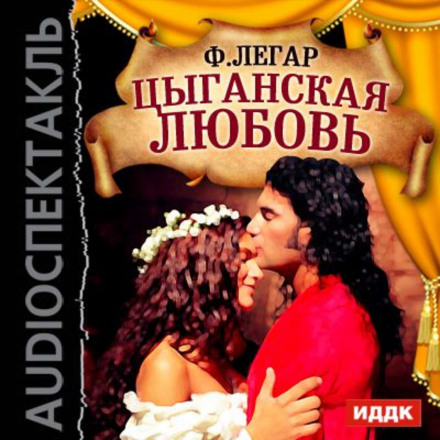
Gypsy Love (operetta)
1 hr. 31 min.
Language
Russian
Author
Franz Lehár
Author
Franz Lehár
Narrator
Yury Yakovlev
Narrator
Yulia Borisova
Description
"Gypsy Love" (Ger. Zigeunerliebe) is an operetta in three acts by the Austro-Hungarian composer Franz Lehár. Libretto by Alfred Willner and Robert Bodanzky. This work opened a series of pieces in Lehár’s output that he called "romantic operettas"; their musical style and plot clearly differed from traditional genre templates—in particular, a happy ending was often absent. The music of “Gypsy Love” is distinguished by vivid expressiveness, a palette of colors, and almost operatic dramatic intensity, while preserving the tender lyricism characteristic of Lehár. Hungarian and Gypsy national color is also strongly felt.
The action takes place on the banks of the river Czierna. Gypsy Jozsi wins the heart of Zorika, the romantically inclined daughter of the local landowner, the boyar Dragotin. However, Zorika is confused—she is already engaged to Ionel, whom she loves, and is preparing to marry him. When, according to custom, the fiancé must receive from her a branch of wild rose, Zorika throws it into the river and asks to postpone the wedding.
At night, remembering an ancient superstition, Zorika drinks the waters of the Czierna and sees her future in a prophetic dream. She ran away with Jozsi from her home, leads a beggar-like wandering life, often quarrels with her rough and stubborn husband. In the end, Jozsi cheats on her with the charming countess Ilona.
When she wakes up, Zorika shakes off her doubts and agrees to marry Ionel.
Recording, 1955.
The action takes place on the banks of the river Czierna. Gypsy Jozsi wins the heart of Zorika, the romantically inclined daughter of the local landowner, the boyar Dragotin. However, Zorika is confused—she is already engaged to Ionel, whom she loves, and is preparing to marry him. When, according to custom, the fiancé must receive from her a branch of wild rose, Zorika throws it into the river and asks to postpone the wedding.
At night, remembering an ancient superstition, Zorika drinks the waters of the Czierna and sees her future in a prophetic dream. She ran away with Jozsi from her home, leads a beggar-like wandering life, often quarrels with her rough and stubborn husband. In the end, Jozsi cheats on her with the charming countess Ilona.
When she wakes up, Zorika shakes off her doubts and agrees to marry Ionel.
Recording, 1955.
100%
07:09
00_Uvertyura
00:41
01_Ot Veduschego
08:00
02_Vyhod Zoriki
01:01
03_Dialog Zoriki i Sandora
03:57
04_Duet Zoriki i Sandora
02:59
05_Stsena v zamke
02:50
06_Stsena v sadu
02:16
07_Trio Iolanty, Ilony i Kaetana
01:19
08_Dialog Zoriki i Aniki
06:14
09_Duet Zoriki i Ionelya
01:09
10_Dialog
01:54
11_Chardash Ilony
06:08
12_Dialog
02:12
13_Ansambl v traktire
02:36
14_Ariya Sandora
02:04
15_Dialog
04:13
16_Ariya Zoriki
03:03
17_Dialog
03:59
18_Vals Ilony
02:58
19_Dialog
01:24
20_Stsena
05:54
21_Duet Zoriki i Ionelya
07:26
22_Dialogi
03:35
23_Vals-duet Ilony i Sandora
01:01
24_Dialogi
02:09
25_Trio Iolanty, Kaetana i Dragotina
02:36
26_Dialogi
01:02
27_Finalnaya ariya Sandora
