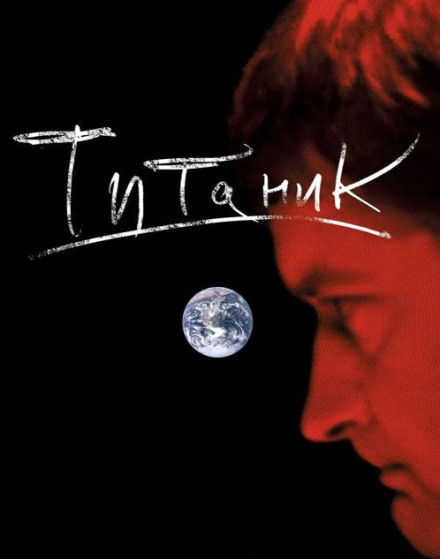
Titanic
1 hr. 6 min.
Language
Russian
Author
Evgeny Grishkovets
Author
Evgeny Grishkovets
Narrator
Evgeny Grishkovets
Narrator
Pavel Kolesnikov
Narrator
Svetlana Mochalina
Narrator
Boris Repetur
Description
Our “Titanic” is a very touching, funny, and tender story composed in a small theater in a small town about a very, very big world. And about our feelings about this world at that very time, that is, in 1992. We had great fun and fooled around when we were composing this text. We had many illusions, and most importantly, we had a lot of hope. No fixed text remained, no video recording of this performance remained. We tried to remember it in detail and restore our performance exactly in the form it had 10 years earlier. And as soon as we restored it, it immediately became clear where that hope had gone and what we had turned into over those 10 years. We want to perform a modest story filled with the gentlest postmodernism, which in 1992 did not even realize that it was postmodernism. We will try to enjoy it ourselves and delight all the others who remember that time as a happy one for themselves and full of hope. No more, but no less. By the way, we understand the title “Titanic” as “a little Titan.”
The text was composed in the city of Kemerovo in 1992 by Yevgeny Grishkovets (then a philology student) and Pavel Kolesnikov (then a student at the Institute of Culture). In 1995, “Titanic” stopped being performed, but in 2002, thanks to the efforts of Yevgeny Grishkovets, the play was revived and successfully shown at the NET festival. At the first performance, the applause was so intense that the actors themselves felt embarrassed. There is not a single mention of the famous ship in the play. “Titanic,” in the authors' opinion, is “a little Titan.”
The text of “Titanic” is a thing typical of its time, but, as always, the matter lies in subtle differences: firstly, the Grishkovets-Kolesnikov run-through is exceptionally witty; secondly, Kolesnikov turned out to have charisma. Muttering under his breath and waving his arms awkwardly, he holds the hall single-handedly as if the strongest strings were stretched between him and the audience, as if the public had been slipped powder into their mineral water at the buffet—grown people simply cannot be writhing in convulsions of laughter like that.
The text was composed in the city of Kemerovo in 1992 by Yevgeny Grishkovets (then a philology student) and Pavel Kolesnikov (then a student at the Institute of Culture). In 1995, “Titanic” stopped being performed, but in 2002, thanks to the efforts of Yevgeny Grishkovets, the play was revived and successfully shown at the NET festival. At the first performance, the applause was so intense that the actors themselves felt embarrassed. There is not a single mention of the famous ship in the play. “Titanic,” in the authors' opinion, is “a little Titan.”
The text of “Titanic” is a thing typical of its time, but, as always, the matter lies in subtle differences: firstly, the Grishkovets-Kolesnikov run-through is exceptionally witty; secondly, Kolesnikov turned out to have charisma. Muttering under his breath and waving his arms awkwardly, he holds the hall single-handedly as if the strongest strings were stretched between him and the audience, as if the public had been slipped powder into their mineral water at the buffet—grown people simply cannot be writhing in convulsions of laughter like that.
100%
09:08
01
09:01
02
08:56
03
09:11
04
09:33
05
10:33
06
09:59
07
