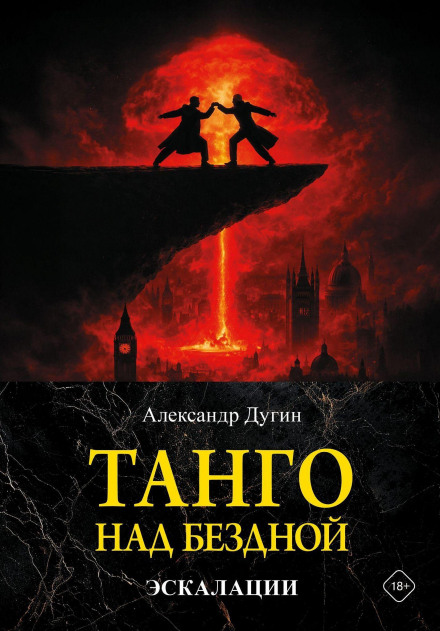
Tango over the Abyss. Escalations
25 hrs. 18 min.
Language
Russian
Author
Alexander Dugin
Author
Alexander Dugin
Narrator
Konstantin Korolkov
Narrator
Konstantin Korolkov
Description
The new edition of Alexander Dugin’s “Tango over the Abyss. Escalations” is addressed to those who want to understand how slogans and promises of renewal collapse against the logic of geopolitics and its harsh constraints.
Alexander Gelyevich Dugin is a Russian philosopher and traditionalist, founder of the Russian school of geopolitics, and one of the key theorists of contemporary Eurasianism. Born in 1962 in Moscow.
He is the author of more than 60 works, a significant part of which has been translated into foreign languages; among them are educational and research texts on philosophy, geopolitics, sociology, international relations, civics, and other disciplines. Dugin’s main work is the 24-volume “Noomachia”—a large-scale study of ancient and modern civilizations and their comparative analysis.
Alexander Dugin’s book “Tango over the Abyss. Escalations” is intended for readers who seek to understand how expectations of change collide with grim geopolitical reality.
A year earlier, in a previous work about American politics, the author assessed the prospects of Trump and the emerging MAGA ideology with cautious hope, seeing in them a conservative turn, a return to Tradition, and recognition of a multipolar world. In “Tango over the Abyss. Escalations,” he shows how Trump’s position changed and records his growing disappointment in those earlier expectations.
Although the declared intentions were to bring peace, act pragmatically, and correct the destructive course of the collective West, the actual steps taken by the U.S. president did not produce the results that had been expected. The author concludes: yes, Trump has noticeably affected world politics, but the changes have not gone in the direction that could have inspired hope. As a result, tension and the growing escalation between Russia and the peoples choosing a multipolar order, and Trump—trying to hold back a weakening Western hegemony—only intensify. The analysis concludes with a summary of his first year in office.
Alexander Gelyevich Dugin is a Russian philosopher and traditionalist, founder of the Russian school of geopolitics, and one of the key theorists of contemporary Eurasianism. Born in 1962 in Moscow.
He is the author of more than 60 works, a significant part of which has been translated into foreign languages; among them are educational and research texts on philosophy, geopolitics, sociology, international relations, civics, and other disciplines. Dugin’s main work is the 24-volume “Noomachia”—a large-scale study of ancient and modern civilizations and their comparative analysis.
Alexander Dugin’s book “Tango over the Abyss. Escalations” is intended for readers who seek to understand how expectations of change collide with grim geopolitical reality.
A year earlier, in a previous work about American politics, the author assessed the prospects of Trump and the emerging MAGA ideology with cautious hope, seeing in them a conservative turn, a return to Tradition, and recognition of a multipolar world. In “Tango over the Abyss. Escalations,” he shows how Trump’s position changed and records his growing disappointment in those earlier expectations.
Although the declared intentions were to bring peace, act pragmatically, and correct the destructive course of the collective West, the actual steps taken by the U.S. president did not produce the results that had been expected. The author concludes: yes, Trump has noticeably affected world politics, but the changes have not gone in the direction that could have inspired hope. As a result, tension and the growing escalation between Russia and the peoples choosing a multipolar order, and Trump—trying to hold back a weakening Western hegemony—only intensify. The analysis concludes with a summary of his first year in office.
100%
07:47
Танго над бездной. Эскалации 01
34:48
Танго над бездной. Эскалации 02
05:19
Танго над бездной. Эскалации 03
15:58
Танго над бездной. Эскалации 04
26:23
Танго над бездной. Эскалации 05
03:28
Танго над бездной. Эскалации 06
02:05
Танго над бездной. Эскалации 07
01:13
Танго над бездной. Эскалации 08
05:13
Танго над бездной. Эскалации 09
05:55
Танго над бездной. Эскалации 10
1:50:01
Танго над бездной. Эскалации 11
22:04
Танго над бездной. Эскалации 12
33:49
Танго над бездной. Эскалации 13
12:24
Танго над бездной. Эскалации 14
27:20
Танго над бездной. Эскалации 15
25:48
Танго над бездной. Эскалации 16
07:25
Танго над бездной. Эскалации 17
16:23
Танго над бездной. Эскалации 18
29:06
Танго над бездной. Эскалации 19
26:58
Танго над бездной. Эскалации 20
20:12
Танго над бездной. Эскалации 21
26:17
Танго над бездной. Эскалации 22
23:33
Танго над бездной. Эскалации 23
26:28
Танго над бездной. Эскалации 24
23:15
Танго над бездной. Эскалации 25
26:16
Танго над бездной. Эскалации 26
25:56
Танго над бездной. Эскалации 27
16:23
Танго над бездной. Эскалации 28
26:52
Танго над бездной. Эскалации 29
21:52
Танго над бездной. Эскалации 30
21:48
Танго над бездной. Эскалации 31
21:05
Танго над бездной. Эскалации 32
04:37
Танго над бездной. Эскалации 33
14:36
Танго над бездной. Эскалации 34
27:30
Танго над бездной. Эскалации 35
23:58
Танго над бездной. Эскалации 36
05:03
Танго над бездной. Эскалации 37
13:05
Танго над бездной. Эскалации 38
26:42
Танго над бездной. Эскалации 39
27:18
Танго над бездной. Эскалации 40
23:42
Танго над бездной. Эскалации 41
04:42
Танго над бездной. Эскалации 42
24:50
Танго над бездной. Эскалации 43
04:49
Танго над бездной. Эскалации 44
20:52
Танго над бездной. Эскалации 45
23:47
Танго над бездной. Эскалации 46
25:48
Танго над бездной. Эскалации 47
27:10
Танго над бездной. Эскалации 48
24:54
Танго над бездной. Эскалации 49
13:23
Танго над бездной. Эскалации 50
20:05
Танго над бездной. Эскалации 51
20:46
Танго над бездной. Эскалации 52
34:13
Танго над бездной. Эскалации 53
18:59
Танго над бездной. Эскалации 54
1:33:12
Танго над бездной. Эскалации 55
18:02
Танго над бездной. Эскалации 56
17:04
Танго над бездной. Эскалации 57
18:30
Танго над бездной. Эскалации 58
06:51
Танго над бездной. Эскалации 59
31:09
Танго над бездной. Эскалации 60
25:26
Танго над бездной. Эскалации 61
24:36
Танго над бездной. Эскалации 62
16:36
Танго над бездной. Эскалации 63
25:38
Танго над бездной. Эскалации 64
33:20
Танго над бездной. Эскалации 65
31:27
Танго над бездной. Эскалации 66
18:06
Танго над бездной. Эскалации 67
28:19
Танго над бездной. Эскалации 68
