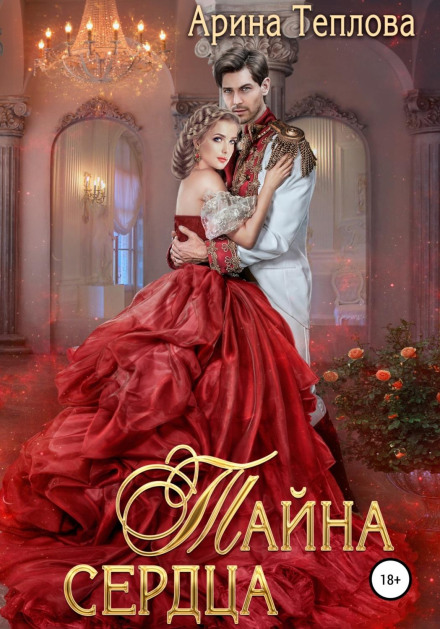
The Secret of the Heart
22 hrs. 40 min.
Language
Russian
Author
Arina Teplova
Author
Arina Teplova
Narrator
Lidia Silnova
Narrator
Lidia Silnova
Description
In 1771. On a bathing night, Dasha tosses an enchanted wreath into the river and makes a wish—to find her beloved and marry him. But this ritual is interrupted by her old enemy, Ilya Teplov, the older son of the uncle in whose house the girl lives. Ilya demands that Dasha return home and not shame their noble family. Everyone in the household adores the girl’s cheerful, compliant nature—everyone except Ilya. He constantly finds reasons to needle his cousin and remind her of her dependent position in the house. But what truly lies behind Ilya’s hatred? A wounded pride, dislike of an orphan—or something else?
From the author: The book describes the realities of the 18th century with a rigid patriarchal order in relationships: the leading position of men and the subordination of women, which was how society lived. There is no abuse in the book. Don’t write that I’m talking about the equality of women of those times, about young ladies screaming about their “I,” or about gentle unicorns—that would be a lie. My novel is based on historical facts and on the real truth about that century and those morals.
From the author: The book describes the realities of the 18th century with a rigid patriarchal order in relationships: the leading position of men and the subordination of women, which was how society lived. There is no abuse in the book. Don’t write that I’m talking about the equality of women of those times, about young ladies screaming about their “I,” or about gentle unicorns—that would be a lie. My novel is based on historical facts and on the real truth about that century and those morals.
100%
01:33
Тайна сердца - 0 - АННОТАЦИЯ
16:55
Тайна сердца - 1 - ПРОЛОГ
1:50:08
Тайна сердца - 2 - ЧАСТЬ ПЕРВАЯ. Дикарка. Глава I. Купала
1:07:00
Тайна сердца - 3 - Глава II. Святки
1:14:02
Тайна сердца - 4 - Глава III. Разлучница
1:01:28
Тайна сердца - 5 - Глава IV. Терзания
1:11:05
Тайна сердца - 6 - Глава V. Рождество
57:23
Тайна сердца - 7 - Глава VI. Именины
1:22:14
Тайна сердца - 8 - ЧАСТЬ ВТОРАЯ. Тайная страсть. Глава I. Смирение
1:16:38
Тайна сердца - 9 - Глава II. Зазноба
1:10:25
Тайна сердца - 10 - Глава III. Неповиновение
1:05:35
Тайна сердца - 11 - Глава IV. Запрет
1:18:55
Тайна сердца - 12 - Глава V. Письмо
1:02:57
Тайна сердца - 13 - Глава VI. Синий яхонт
1:20:55
Тайна сердца - 14 - ЧАСТЬ ТРЕТЬЯ. Сила амулета. Глава I. Талисман любви
1:15:31
Тайна сердца - 15 - Глава II. Колдовство
1:13:54
Тайна сердца - 16 - Глава III. Сомнения
1:06:30
Тайна сердца - 17 - Глава IV. Сон – реальность
1:00:07
Тайна сердца - 18 - Глава V. Тайная встреча
48:01
Тайна сердца - 19 - Глава VI. Михайлов
58:47
Тайна сердца - 20 - Глава VII. Дуэл.
