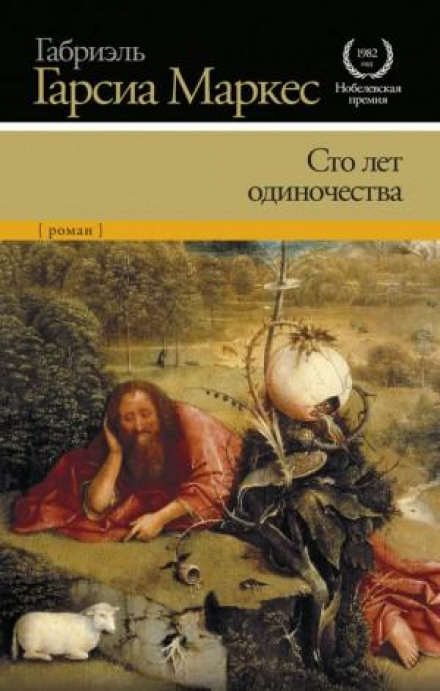
One Hundred Years of Solitude
10 hrs. 42 min.
Language
Russian
Author
Gabriel García Márquez
Author
Gabriel García Márquez
Narrator
Boris Plotnikov
Narrator
Boris Plotnikov
Description
Adapted translation with cuts
“Hundred Years of Solitude” is only a poetic embodiment of my childhood. This is a coherent literary testimony of everything that, one way or another, touched me during childhood. In each of the novel’s characters there is a piece of me,” says Nobel laureate, author of world bestsellers Gabriel García Márquez.
For the first time, the novel “One Hundred Years of Solitude” was published in 1967. The Argentine publisher “Suramericana” released the book in a run of eight thousand copies, assuming it would somehow sell out within a year. The entire print run was gone within just a few days. That’s how the world fame of the novel began—its success could only be compared to a natural disaster. More than twenty million copies of this masterpiece of world literature spread across the planet and brought the Colombian writer and journalist worldwide fame.
The reason for such popularity is obvious. Loneliness is humanity’s eternal enemy, a captive that any of us can become. “One Hundred Years of Solitude,” with its repeating motif of the collapse of human hopes, is tragic, yet it doesn’t leave the oppressive feeling of hopelessness. The characters’ attachment to their native land is too strong; so is their hard work, inner resilience, honesty, and courage. Passing through many life trials and temptations—lust for power, wealth, hypocrisy, adventurism, debauchery—finally the characters understand that only love can defeat everything. And it is precisely love, in its many forms, that becomes a special, self-contained force acting within the fascinating plot. That is the life-affirming power of “One Hundred Years of Solitude.”
After the book’s publication, Pablo Neruda wrote with delight that it was, “perhaps the greatest revelation in Spanish since ‘Don Quixote.’ And the ongoing popularity of ‘One Hundred Years of Solitude’ confirms this statement. The piercing and sincere epic of a classic of Latin American literature cast traditional relationships and well-known truths into a new mystical light, making the reader laugh and cry, rejoice and grieve alongside the novel’s heroes. Márquez created an extremely poetic, flowing text that is not only pleasant and easy to read, but also to listen to. Especially if this work is being read by Boris Plotnikov.”
“Hundred Years of Solitude” is only a poetic embodiment of my childhood. This is a coherent literary testimony of everything that, one way or another, touched me during childhood. In each of the novel’s characters there is a piece of me,” says Nobel laureate, author of world bestsellers Gabriel García Márquez.
For the first time, the novel “One Hundred Years of Solitude” was published in 1967. The Argentine publisher “Suramericana” released the book in a run of eight thousand copies, assuming it would somehow sell out within a year. The entire print run was gone within just a few days. That’s how the world fame of the novel began—its success could only be compared to a natural disaster. More than twenty million copies of this masterpiece of world literature spread across the planet and brought the Colombian writer and journalist worldwide fame.
The reason for such popularity is obvious. Loneliness is humanity’s eternal enemy, a captive that any of us can become. “One Hundred Years of Solitude,” with its repeating motif of the collapse of human hopes, is tragic, yet it doesn’t leave the oppressive feeling of hopelessness. The characters’ attachment to their native land is too strong; so is their hard work, inner resilience, honesty, and courage. Passing through many life trials and temptations—lust for power, wealth, hypocrisy, adventurism, debauchery—finally the characters understand that only love can defeat everything. And it is precisely love, in its many forms, that becomes a special, self-contained force acting within the fascinating plot. That is the life-affirming power of “One Hundred Years of Solitude.”
After the book’s publication, Pablo Neruda wrote with delight that it was, “perhaps the greatest revelation in Spanish since ‘Don Quixote.’ And the ongoing popularity of ‘One Hundred Years of Solitude’ confirms this statement. The piercing and sincere epic of a classic of Latin American literature cast traditional relationships and well-known truths into a new mystical light, making the reader laugh and cry, rejoice and grieve alongside the novel’s heroes. Márquez created an extremely poetic, flowing text that is not only pleasant and easy to read, but also to listen to. Especially if this work is being read by Boris Plotnikov.”
100%
20:21
1
19:42
2
21:03
3
21:03
4
24:31
5
21:22
6
25:15
7
23:33
8
25:04
9
21:17
10
24:52
11
23:18
12
25:41
13
24:40
14
24:36
15
25:50
16
22:20
17
25:14
18
21:39
19
24:07
20
22:33
21
22:49
22
25:15
23
21:55
24
21:35
25
23:46
26
21:39
27
17:27
28
