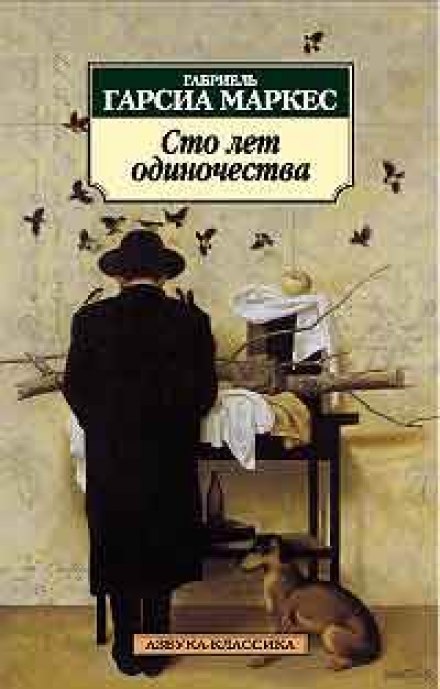
One Hundred Years of Solitude
20 hrs. 37 min.
Language
Russian
Author
Gabriel García Márquez
Author
Gabriel García Márquez
Narrator
Elena Lebedeva
Narrator
Elena Lebedeva
Description
In the novel “One Hundred Years of Solitude,” the birth, flourishing, decline, and death of the Buendía family are shown. The story of this family is the story of solitude—somehow manifested in the fate of each of the Buendías. The solitude, the isolation of family members, their inability to understand and be understood by one another acquire in the novel a truly mythological character. Even the history of several generations of the Buendía family takes on the form of a family myth—with its characteristic features: a tendency toward incest and the curse associated with it; the predetermined fate of the heroes.
In the novel, this is embodied in the figure of the gypsy Melquíades, who wrote down the chronicle of the family in Sanskrit—deciphered only a few minutes before the destruction of Macondo and all the Buendías.
At the same time, the novel contains a parody of myth. The means of parody is the writer’s special ironic laughter, expressed through deliberately mythological constructions, the everyday tone of narration that sometimes talks about absurd or openly fantastic events.
Latino American prose’s “myth-making reality,” its “magical realism,” serves in the novel as an essential tool for creating a unique image of America, and at the same time as a parody of itself.
In the novel, this is embodied in the figure of the gypsy Melquíades, who wrote down the chronicle of the family in Sanskrit—deciphered only a few minutes before the destruction of Macondo and all the Buendías.
At the same time, the novel contains a parody of myth. The means of parody is the writer’s special ironic laughter, expressed through deliberately mythological constructions, the everyday tone of narration that sometimes talks about absurd or openly fantastic events.
Latino American prose’s “myth-making reality,” its “magical realism,” serves in the novel as an essential tool for creating a unique image of America, and at the same time as a parody of itself.
100%
09:02
022
08:10
023
08:18
024
09:18
025
08:26
026
08:11
027
08:52
028
08:51
029
08:25
030
08:14
031
09:03
032
08:16
033
08:59
034
08:15
035
08:04
036
08:44
037
08:24
038
08:07
039
08:12
040
08:13
041
08:05
042
08:13
043
08:03
044
08:24
045
08:30
046
08:26
047
08:03
048
09:01
049
08:56
050
09:07
051
08:05
052
08:38
053
08:17
054
08:05
055
08:39
056
08:37
057
08:30
058
08:07
059
08:06
060
08:11
061
09:13
062
09:09
063
08:09
064
08:51
065
08:13
066
08:09
067
08:08
068
08:21
069
09:26
070
08:17
071
08:26
072
08:30
073
08:34
074
08:12
075
08:03
076
09:30
077
08:32
078
08:58
079
08:16
080
09:25
081
08:08
082
08:03
083
08:08
084
08:20
085
08:13
086
08:52
087
08:43
088
08:22
089
08:33
090
08:29
091
08:44
092
08:50
093
08:41
094
09:37
095
08:14
096
08:07
097
08:22
098
08:09
099
08:12
100
08:04
101
08:11
102
08:55
103
09:04
104
08:40
105
09:58
106
09:04
107
08:27
108
08:24
109
08:43
110
08:05
111
08:26
112
08:18
113
08:37
114
08:11
115
08:31
116
08:12
117
08:44
118
08:02
119
08:51
120
08:02
121
08:17
122
08:02
123
08:46
124
11:26
125
08:15
126
08:20
127
08:10
128
08:35
129
08:37
130
09:47
131
09:05
132
10:03
133
09:46
134
08:07
135
08:41
136
08:25
137
08:02
138
09:00
139
08:57
140
08:30
141
08:05
142
09:09
143
08:42
144
08:11
145
08:25
146
09:29
147
09:01
148
11:24
149
08:39
150
09:05
151
09:41
152
08:15
153
08:22
154
08:36
155
08:07
156
08:35
157
08:03
158
08:41
159
08:16
160
08:06
161
08:08
162
08:18
163
08:50
164
08:10
165
02:02
166
