Stalin: His Life and Death
23 hrs. 12 min.
Language
Russian
Author
Edward Radzinsky
Author
Edward Radzinsky
Narrator
Alexander Klyukvin
Narrator
Alexander Klyukvin
Description
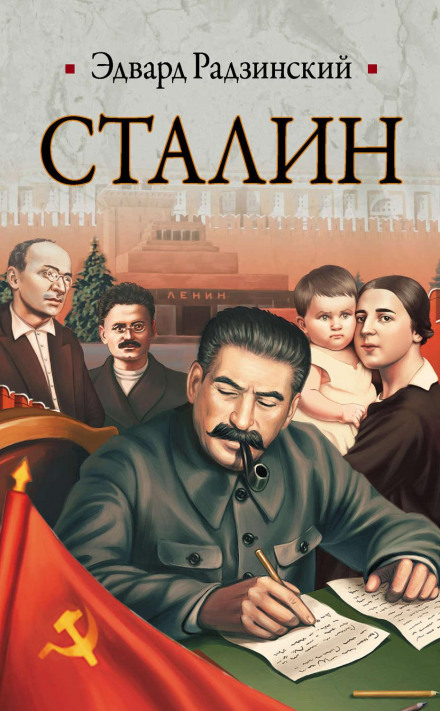
"Woe, woe to you, great city Babylon, mighty city! For in one hour your judgment has come" (Rev. 18:10). These words of the Holy Book were supposed to be well known to a student of the Theological Seminary, little Soso Dzhugashvili, who went down in history under the name Stalin.
Every day the largest country in the world woke up with his name on everyone’s lips. Every day his name sounded on the radio, thundered in songs, stared from the pages of every newspaper. This name, like the greatest reward, was assigned to factories, collective farms, streets, and cities. With his name soldiers went to death. During the war, Stalingrad bled; the earth turned into a crust packed with shells, yet the city bearing his name was not surrendered to the enemy. During the political trials arranged by him, victims, dying, praised his name. And in the camps, where millions of prisoners driven behind barbed wire turned rivers back, they built cities beyond the Arctic Circle and died by the hundreds of thousands—they did all this beneath his portraits.
A story about the man who, even after his death, could not go without blood: thousands of crushed people who came to say goodbye to the "god" in the Column Hall joined the millions he destroyed—awaits you in the audiobook "Stalin. Life and Death." Also don’t miss the earlier audiobooks by Eduard Radzinsky: "The Love Madness of Giacomo Casanova", "Walks with the Executioner", "A Few Meetings with the Late Mr. Mozart", "John the Tormentor", "The Theater of the Times of Nero and Seneca", "Koba. A Monologue of an Old Man", "Napoleon: Life After Death", "The Iron Mask. The Age of Musketeers".
Every day the largest country in the world woke up with his name on everyone’s lips. Every day his name sounded on the radio, thundered in songs, stared from the pages of every newspaper. This name, like the greatest reward, was assigned to factories, collective farms, streets, and cities. With his name soldiers went to death. During the war, Stalingrad bled; the earth turned into a crust packed with shells, yet the city bearing his name was not surrendered to the enemy. During the political trials arranged by him, victims, dying, praised his name. And in the camps, where millions of prisoners driven behind barbed wire turned rivers back, they built cities beyond the Arctic Circle and died by the hundreds of thousands—they did all this beneath his portraits.
A story about the man who, even after his death, could not go without blood: thousands of crushed people who came to say goodbye to the "god" in the Column Hall joined the millions he destroyed—awaits you in the audiobook "Stalin. Life and Death." Also don’t miss the earlier audiobooks by Eduard Radzinsky: "The Love Madness of Giacomo Casanova", "Walks with the Executioner", "A Few Meetings with the Late Mr. Mozart", "John the Tormentor", "The Theater of the Times of Nero and Seneca", "Koba. A Monologue of an Old Man", "Napoleon: Life After Death", "The Iron Mask. The Age of Musketeers".
