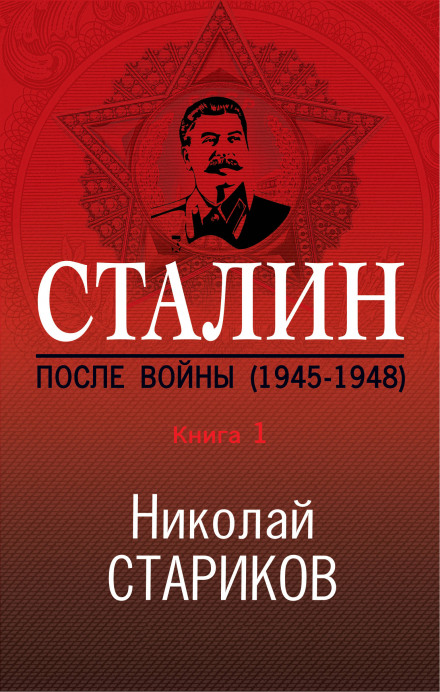
Stalin: After the War. Book 1. 1945–1948
9 hrs. 25 min.
Language
Russian
Author
Nikolay Starikov
Author
Nikolay Starikov
Narrator
Nikolay Starikov
Narrator
Nikolay Starikov
Description
Stalin, without doubt, stands among the greatest historical figures. Yet despite the enduring interest of researchers, there are periods in his biography that remain little known to the reader—above all, the post-war period. By the scale of the tasks, he is fully comparable to industrialization and hardly less dramatic. And by the scale of political decisions, he surpasses all previous ones, since from then on the USSR became a superpower, and the whole world followed Stalin’s actions. The “Stalin economic miracle,” the monetary reform, the Stalinist skyscrapers, and the Stalin Prize all shocked observers.
His political moves looked no less mysterious. Why did Stalin withdraw troops from Iran and not land in Japan? How did he act during the Berlin crisis? What caused his quarrel with Tito, and why did he “gift” Poland with Rokossovsky? What were the real reasons behind the “case of the aviators,” and how did modern aviation and rocketry take shape? How did the leader communicate with figures of culture, and why did Boris Pasternak adore him?
About all this and much more—this book by historian-publicist and public figure Nikolai Starikov.
His political moves looked no less mysterious. Why did Stalin withdraw troops from Iran and not land in Japan? How did he act during the Berlin crisis? What caused his quarrel with Tito, and why did he “gift” Poland with Rokossovsky? What were the real reasons behind the “case of the aviators,” and how did modern aviation and rocketry take shape? How did the leader communicate with figures of culture, and why did Boris Pasternak adore him?
About all this and much more—this book by historian-publicist and public figure Nikolai Starikov.
100%
02:01
00_Vstuplenie
1:53:21
01_God 1945
2:35:47
02_1946 god
2:23:35
03_1947 god
2:30:57
04_1948 god
