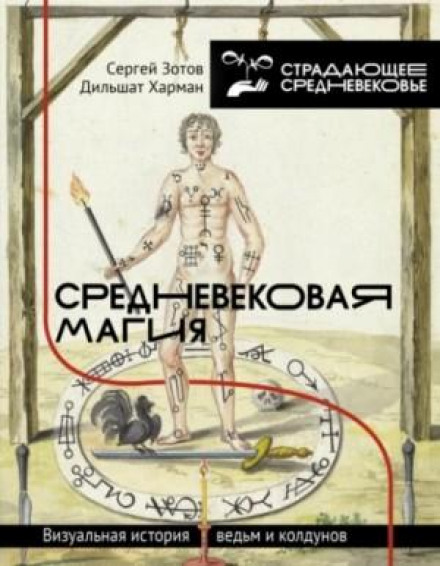
Medieval Magic. A Visual History of Witches and Sorcerers
13 hrs. 8 min.
Description
How and why do witches and wizards in the modern world look the way they do—rather than any other way? Where did the established visual conventions for depicting witches come from?
A woman flying across the night sky atop a broom. An old man with a gray beard and a staff, wrapped in a long cloak. These images of witches and wizards emerged in modern culture under the influence of medieval depictions—and most of our fantasy universes are based on ideas about magic that took shape in Western Europe in the 14th–17th centuries.
In this book, we’ll explore the visual origins of an imagined magical world. How did artists depict famous sorcerers and sorceresses from the past? What role did iconography play in the witch hunts? And why did thousands of magicians across Europe follow the instructions in illustrated grimoires—books of spells?
This study will lead us to images that are easy to recognize today from films, music, and computer games: the magic wand and witch’s broom from fantasy, the satanic pentagram from horror movies, and the black goat from rock music. A thousand years of medieval magic are not gone—they left a deep mark on modern culture.
A woman flying across the night sky atop a broom. An old man with a gray beard and a staff, wrapped in a long cloak. These images of witches and wizards emerged in modern culture under the influence of medieval depictions—and most of our fantasy universes are based on ideas about magic that took shape in Western Europe in the 14th–17th centuries.
In this book, we’ll explore the visual origins of an imagined magical world. How did artists depict famous sorcerers and sorceresses from the past? What role did iconography play in the witch hunts? And why did thousands of magicians across Europe follow the instructions in illustrated grimoires—books of spells?
This study will lead us to images that are easy to recognize today from films, music, and computer games: the magic wand and witch’s broom from fantasy, the satanic pentagram from horror movies, and the black goat from rock music. A thousand years of medieval magic are not gone—they left a deep mark on modern culture.
100%
29:51
01
23:56
02
24:11
03
32:48
04
43:22
05
29:20
06
38:06
07
48:14
08
45:29
09
26:26
10
35:38
11
41:47
12
44:43
13
40:21
14
45:14
15
40:36
16
48:01
17
35:04
18
31:30
19
34:11
20
50:08
21
