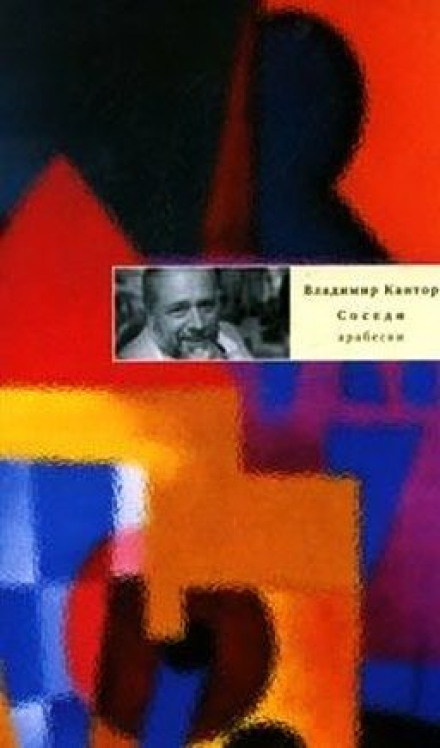
Neighbors: Arabesques
33 hrs. 33 min.
Language
Russian
Author
Vladimir Kantor
Author
Vladimir Kantor
Narrator
Sergey Kirsanov
Narrator
Sergey Kirsanov
Description
To the listener’s attention is offered not quite an ordinary book. Its analogue might be found only in Gogol’s “Arabesques,” where artistic prose freely combines with scientific research and essays. Gogol thereby asserted that a writer is one person in his two guises (as an artist and as a thinker). By putting the genre name in the book’s title, Gogol, quite like a romantic, played with the reader. Then, perhaps, that was clear. Today, the genre meaning of this title is forgotten for the broad reader. And not only today. “Arabesques,” published at the beginning of the 20th century by Andrey Bely, consisted mainly of articles and had largely lost their genre distinctiveness; the word “arabesques” was taken as a simple name. But the genre of “arabesques” connects philosophical and artistic patterns, weaving them into the common fabric of human fate. The arabesques speak of one person’s handwriting—but in different spheres. This genre confirms the old romantic idea of the inner unity of philosophy and art. In his new book, Vladimir Kantor, a well-known writer and philosopher, attempts to restore this interrupted tradition.
100%
00:26
00-00-kantor-v-iz-tsikla-knizhnyy-malchik-kirsanov-s
00:24
00-00-kantor-v-iz-tsikla-predchuvstviya-kirsanov-s
00:23
00-00-kantor-v-iz-tsikla-stolknoveniya-kirsanov-s
00:44
00-01-soderzhanie-1
00:57
00-01-soderzhanie-2
00:59
00-01-soderzhanie
14:28
01-01-ideynaya-nerazberiha
19:42
01-01-nazvat-tmy-tmoyu
20:50
01-02-nazvat-tmy-tmoyu
03:14
01-02-popytka-tipologii
21:02
01-03-nazvat-tmy-tmoyu
12:16
01-03-provokatsiya-kak-printsip-gosudarstvennogo-stroitelstva
08:24
01-04-byt-mozhet-glavnyy-sekret
12:04
01-05-sorok-let-ugolovnogo-terrora-19171956
09:31
01-06-imitatsiya-kak-preobrazhayuschaya-obschestvo-sila
04:26
01-07-izmeneniya-tipa-nasiliya-priblizhenie-k-obschestvu-otkrytogo-tipa
36:24
01-beseda-obozrevatelya-lg-s-vladimirom-kantorom
00:40
02-01-deystvuyuschie-litsa
07:57
02-01-snovidets
04:51
02-02-malenkie-devochki
05:14
02-02-pistolet
16:49
02-03-pistolet
07:10
02-03-tigr
04:45
02-04-nezvannye-gosti
21:33
02-04-pistolet
03:38
02-05-devushka
05:50
02-06-pobeg-iz-tyurmy
03:18
02-07-kukla
07:36
02-08-udar-kopytom
09:55
02-09-shpion
13:41
02-10-probuzhdenie
21:40
02-lyudi-knigi-i-labirinty-horhe-luisa-borhesa
11:50
03-01-frants-kafka-i-ego-geroy
21:27
03-01-peremena
08:52
03-02-hronotop
40:38
03-02-sobytiya-vcherashnego-dnya
33:47
03-03-peremena-prodolzhenie
12:24
03-03-tragediya-i-uzhas
20:02
03-04-alevtina-mihaylovna-muhina
20:19
03-04-netost-boga-i-paradoks-nadezhdy
27:52
03-05-v-tramvae
34:35
03-06-u-krotovyh
52:25
03-07-babushka-lida-i-vospominaniya
35:57
03-08-roman-so-stihami-i-razdvoeniem-soznaniya
47:25
03-09-vecher
21:03
03-militseyskaya-furazhka
10:24
04-01-uvertyura
07:08
04-02-palatnyy-vrach
23:32
04-03-obhod
17:40
04-04-polozhitelno-prekrasnyy-russkiy-chelovek
08:33
04-05-vizitery
12:58
04-06-nochnoe-bdenie-pervoe
07:43
04-07-baldezh
05:58
04-08-zlo-razlivannoe
15:52
04-09-dnevnye-glyuki
10:58
04-10-pas-v-storonu-o-zhenschinah
18:52
04-11-nochnoe-bdenie-vtoroe
21:58
04-12-den-pod-rozhdestvo
23:52
04-13-posle-rozhdestva
39:39
04-14-nochnoe-bdenie-trete
30:53
04-15-final
20:55
04-mir-skazochnyy-i-realnyy-epopeya-dzhr-tolkiena
22:27
04-soprotivlenie-neschastyam-i-boli-o-tvorchestve-dzhozefa-konrada
02:00
05-01-sosedi
03:12
05-01-toska-po-otechestvennomu-nasledstvu
26:14
05-02-sosedi
04:24
05-02-traditsiya-zhizni-bez-nasledstva
04:45
05-03-otkuda-i-kakov-russkiy-nigilizm
26:43
05-03-sosedi
03:19
05-04-podrostok-nigilist-ili
26:58
05-04-sosedi
03:07
05-05-o-neobhodimosti-vzroslosti
26:06
05-05-sosedi
26:27
05-06-sosedi
20:55
05-nalivnoe-yabloko
29:24
06-01-sluchaynye-zaboty-i-smert
26:29
06-01-suschestvuet-li-svobodnoe-prostranstvo-dlya-russkogo-obrazovannogo-obschestva
29:47
06-02-sluchaynye-zaboty-i-smert
26:53
06-02-suschestvuet-li-svobodnoe-prostranstvo-dlya-russkogo-obrazovannogo-obschestva
51:49
06-sobesednik
26:15
07-01-normalnyy-chelovek
01:29
07-01-ozhidavshiysya-konets-evropeyskoy-istorii-ili-vladimir-solovev-contra-fridrih-nitsshe
07:56
07-01-zadyhanie-evropy
08:18
07-02-bednye-lyudi-kak-nigilisty
19:32
07-02-poslednne-vremya-evropeyskoy-istorii
17:32
07-02-tropa-v-dzhunglyah
30:23
07-03-pridurok
17:22
07-03-sverchelovek-hristos-ili-antihrist
07:37
07-03-vosstanie-protiv-boga
24:17
07-04-aziya-vnutri-evropy-ili-pobeda-antihrista
17:48
07-04-istoriya
05:23
07-04-problema-idiotizma
21:53
07-05-kaleydoskop-ili-potok-soznaniya
09:08
07-05-pochvennye-bogi-ili-nadnatsionalnoe-hristianstvo
23:16
07-06-01-vtoraya-vstrecha
22:58
07-06-02-vtoraya-vstrecha
05:01
07-06-kogo-zhdet-narod
20:54
07-07-01-slovesnaya-sumatoha-chto-dalshe
20:59
07-07-02-slovesnaya-sumatoha-chto-dalshe
13:25
07-07-k-komu-prihodil-hristos
06:56
07-08-ideal-kak-zaschita-chelovecheskogo-suschestvovaniya
33:42
07-08-razvyazka
11:32
08-01-imenno-rossiya
00:38
08-02-00-chetyre-zadaniya-antihrista
09:49
08-02-01-vlast
10:57
08-02-02-narodnyy-bunt-i-vozrozhdenie-pochvennogo-yazychestva
11:34
08-02-03-sotvorenie-obraza
04:51
08-02-04-imperskiy-natsionalizm
10:02
08-03-dogadki-predchuvstviya-i-predvestiya
07:52
08-04-soblazn-antievropeizma-ili-pobeda-vnutrennego-mongolstva
06:41
08-05-videt-i-uvidet
14:29
08-06-strashnyy-morok
23:37
08-bibliofil
29:13
09-01-istoricheskaya-spravka
28:39
09-02-istoricheskaya-spravka
29:10
09-03-istoricheskaya-spravka
59:21
09-knizhnost-i-stihiya-v-istorii-russkoy-kultury
05:00
10-01-pochemu-svobody-seyatel-pustynnyy
06:37
10-02-perevorot-v-kulture
10:56
10-03-ot-samoderzhavnogo-utilitarizma-k-evropeyskoy-svobode
16:40
10-04-formula-russkoy-istorii
08:22
10-05-svobodnaya-lichnost-na-vse-vremena
08:31
10-vzaimoobrazno
08:28
11-ot-avtora-pochemu-arabeski
01:11
12-ob-avtore
