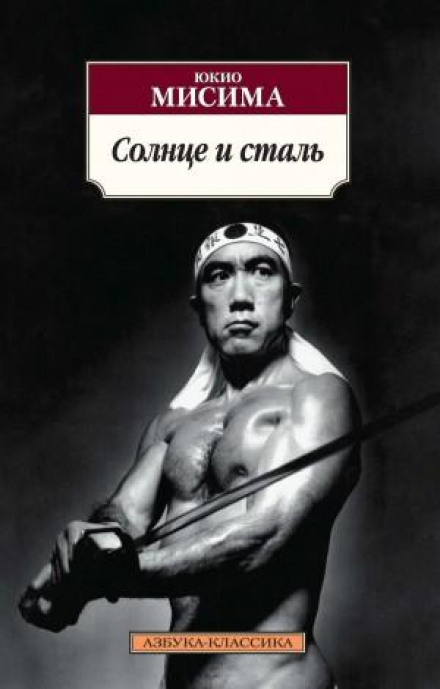
Sun and Steel
3 hrs. 5 min.
Language
Russian
Author
Yukio Mishima
Author
Yukio Mishima
Narrator
Sergey Chonishvili
Narrator
Sergey Chonishvili
Description
In the small work “Sun and Steel,” one of Japan’s best-known and most controversial writers manages to combine elements from many literary genres. On the one hand, it is a story about a frail, bookish boy who realized the importance of his own physical form; “sun and steel” in the title itself are symbols of the cult of open-air training and bodybuilding.
On the other hand, it is the author’s philosophical reflections on the connection between action and words, on finding oneself and attempts at self-integration. All these seemingly alien forms are woven together in Mishima’s complex yet at the same time refined and flexible style into a captivating essay about the idea that only someone with a perfect body can act completely.
On the other hand, it is the author’s philosophical reflections on the connection between action and words, on finding oneself and attempts at self-integration. All these seemingly alien forms are woven together in Mishima’s complex yet at the same time refined and flexible style into a captivating essay about the idea that only someone with a perfect body can act completely.
100%
12:02
1
12:58
2
11:54
3
09:12
4
06:06
5
13:56
6
10:14
7
12:56
8
12:42
9
05:52
10
11:36
11
08:08
12
04:23
13
05:59
14
12:14
15
07:05
16
10:45
17
14:01
18
03:23
19
