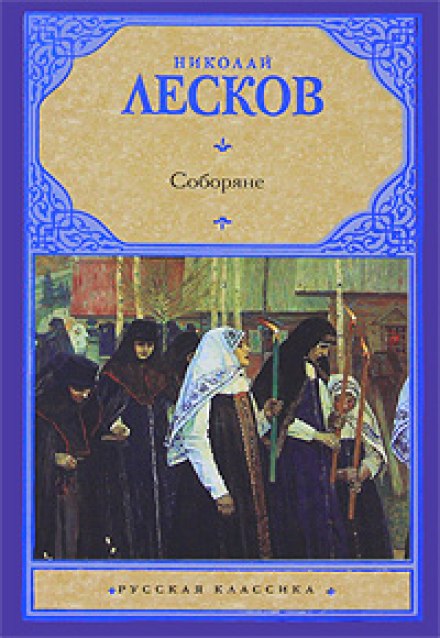
Cathedral Folk
11 hrs. 38 min.
Language
Russian
Author
Nikolai Leskov
Author
Nikolai Leskov
Narrator
Maxim Doronin
Narrator
Maxim Doronin
Description
Nikolai Semenovich Leskov is one of the best masters of Russian prose—the “most Russian of Russian writers,” the “discovered Russian genius,” as defined by I. Severianin. The novella “Soboryane” (The Cathedral Men) was written in 1872. With it, Leskov’s turn toward Slavophilism began, toward Russian religious themes. Vividly and imaginatively describing the life of Orthodox clergy, Leskov with tenderness and kindness also emphasizes the shortcomings that existed in Russian church life.
In the novella, he creates a wonderful, shining iconostasis of Russian ascetics and righteous men—alive with tears of joy and a kind smile. Leskov depicts the everyday life and existence of church people, the sorrow and joys of the Russian clergy—partly idealized, partly with a touch of slyness and mockery.
In the novella, he creates a wonderful, shining iconostasis of Russian ascetics and righteous men—alive with tears of joy and a kind smile. Leskov depicts the everyday life and existence of church people, the sorrow and joys of the Russian clergy—partly idealized, partly with a touch of slyness and mockery.
100%
10:39
01-01
23:04
01-02
11:26
01-03
13:38
01-04
35:36
01-05-00
42:12
01-05-01
28:15
01-05-02
39:30
01-05-03
12:06
01-06
09:37
01-07
08:13
01-08
07:25
01-09
07:56
01-10
08:07
01-11
03:50
01-12
02:47
01-13
05:19
01-14
05:07
01-15
06:27
01-16
03:44
01-17
16:01
02-01
10:19
02-02
16:42
02-03
17:13
02-04
11:38
02-05
08:45
02-06
03:53
02-07
09:27
02-08
11:18
02-09
09:13
02-10
04:41
02-11
08:58
02-12
01:32
02-13
02:46
03-01
03:47
03-02
08:27
03-03
07:10
03-04
03:49
03-05
08:39
03-06
06:20
03-07
04:29
03-08
04:55
03-09
06:43
03-10
03:49
03-11
02:16
03-12
03:55
03-13
03:38
03-14
04:26
03-15
04:44
03-16
11:13
03-17
03:42
03-18
02:41
03-20
04:57
03-21
02:37
03-22
01:41
03-23
08:24
04-01
05:06
04-02
03:03
04-03
02:51
04-04
03:47
04-05
05:00
04-06
11:01
04-07
04:50
04-08
02:58
04-09
04:05
04-10
02:20
04-11
04:48
04-12
06:13
05-01
07:26
05-02
08:04
05-03
19:12
05-04
05:26
05-05
01:43
05-06
07:50
05-07
03:00
05-08
09:16
05-09
03:47
05-10
05:51
05-11
07:59
05-12
05:47
05-13
03:57
05-14
04:03
05-15
04:53
05-16
01:36
05-17
04:36
05-18
05:59
05-19
02:05
05-20
