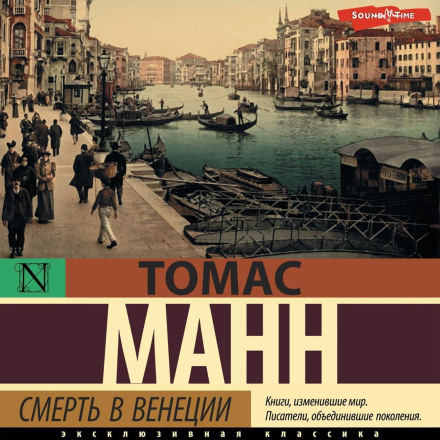
Death in Venice
10 hrs. 54 min.
Language
Russian
Author
Thomas Mann
Author
Thomas Mann
Narrator
Andrey Kurilov
Narrator
Andrey Kurilov
Description
Thomas Mann was an exceptional writer who masterfully handled both large and small literary forms. In his novels, content often outweighed form, while in his stories form and content were combined in an ideal balance. The collection "Minor Works" includes works from different periods of Mann’s creativity, including his famous novella "Death in Venice." The plots of these works are often simple—love and disappointment, waiting for miracles and boring everyday life, thirst for life and the loss of illusions, bringing pain and wisdom from life experience. Yet it is precisely in this simplicity of the plot that the brilliance of the author’s language reveals itself, along with the subtlety of his style and the psychological depth of his works.
