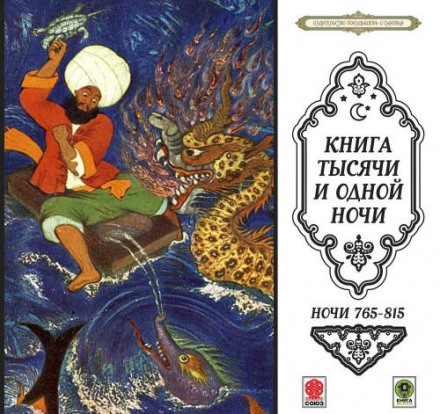
Tales of the Thousand and One Nights. Nights 765-815
5 hrs. 27 min.
Description
The fairy tales of “One Thousand and One Nights,” belonging to one group or another, naturally had the widest circulation within the social environment where they were born. The editors of the collection were well aware of this, as evidenced by a note—copied into one of the later manuscripts of the “Nights” from an older original: “The storyteller should narrate in accordance with who is listening to him…” A similar instruction is found in the text of the “Book” itself, in “The Tale of Saif al-Muluk,” which apparently entered the collection at a fairly late stage of its evolution. It says that a certain storyteller—only he knew this tale—agrees, under persistent requests, to have it rewritten, but sets the transcriber a condition: “Do not tell this tale at a crossroads or in the presence of women, slaves, female slaves, fools, and children. Read it to emirs, kings, viziers, and people of knowledge—those who interpret the Qur’an, and others.”
100%
06:13
16-01
07:02
16-02
06:07
16-03
06:38
16-04
05:18
16-05
05:46
16-06
11:46
16-07
05:01
16-08
06:30
16-09
07:10
16-10
05:53
16-11
05:35
16-12
08:21
16-13
06:03
16-14
01:47
16-15
04:10
16-16
06:51
16-17
06:29
16-18
06:08
16-19
06:25
16-20
09:00
16-21
06:31
16-22
07:17
16-23
07:06
16-24
07:00
16-25
06:37
16-26
07:45
16-27
06:03
16-28
07:14
16-29
06:29
16-30
06:26
16-31
06:05
16-32
06:43
16-33
07:57
16-34
07:30
16-35
06:21
16-36
06:45
16-37
07:03
16-38
05:47
16-39
07:29
16-40
06:11
16-41
06:50
16-42
07:51
16-43
06:56
16-44
06:59
16-45
08:48
16-46
01:59
16-47
04:15
16-48
05:15
16-49
02:22
16-50
03:32
16-51
01:57
16-52
