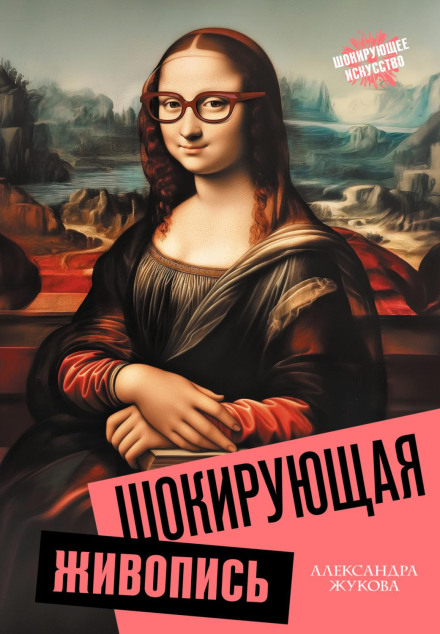
Shocking Painting
6 hrs. 52 min.
Language
Russian
Author
Alexandra Zhukova
Author
Alexandra Zhukova
Narrator
Veronika Raytsiz
Narrator
Veronika Raytsiz
Description
We walk through museum halls again and again and admire beautiful paintings, lingering over every canvas for a long time. We find portraits, still lifes, and landscapes so enchanting, and that’s why the artists’ personalities seem flawless to us—we take them to be models of purity and beauty. After all, we’re used to perceiving famous artists through small explanations to their paintings and brief biographical details that are easy to find in libraries and on the internet. This makes their images almost weightless. As if nothing but creativity ever existed in their lives, and as if their paintings instantly became sacred classics. But artists were full-blooded people. Their work sometimes caused bewilderment, and their actions—condemnation. In reality, a huge number of famous painters had, at minimum, a complicated character or entered into relationships disapproved of by society, by mutual consent. And the stories behind how certain masterpieces were created can sometimes be shocking. So what can we do? On one hand, a genius’s rich imagination drives progress; on the other, it pushes its owners into completely mad actions. And that’s how it turns out that genius and villainy can coexist? In this book, we’ll show you artists from another, unexpected side—and you’ll answer that question yourself. Thirty-five entertaining, sometimes shocking stories, including:
— Romantic escapades of an artist-monk and his muse from the monastery
— The wife-hating female artist
— The love polygon of Bern-John and Morris
— How a bunch of asparagus ended up among Edouard Manet’s wonderful flowers in a still life
— Michelangelo’s only love
— Ruskin’s “White Marriage”
— An Italian woman who captivated Brullov, Ivanov, Gogol, Turgenev
— A passionate Picasso and his seven unhappy muses
— Raphael’s secret marriage
— “The Betrayed” and Camille Claudel’s crucified love
— How to become a model for Gabriele Rossetti and stay alive
— Peter Paul Rubens: portraitist, spy, and diplomat
— Romantic escapades of an artist-monk and his muse from the monastery
— The wife-hating female artist
— The love polygon of Bern-John and Morris
— How a bunch of asparagus ended up among Edouard Manet’s wonderful flowers in a still life
— Michelangelo’s only love
— Ruskin’s “White Marriage”
— An Italian woman who captivated Brullov, Ivanov, Gogol, Turgenev
— A passionate Picasso and his seven unhappy muses
— Raphael’s secret marriage
— “The Betrayed” and Camille Claudel’s crucified love
— How to become a model for Gabriele Rossetti and stay alive
— Peter Paul Rubens: portraitist, spy, and diplomat
