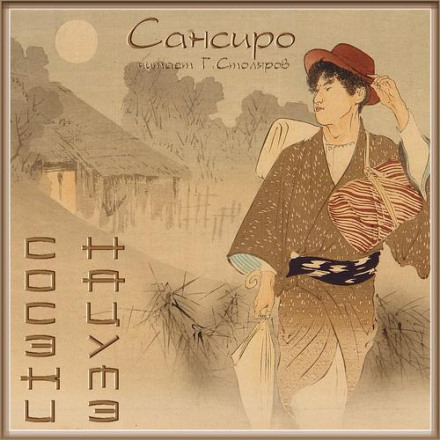
Sanshiro
8 hrs. 59 min.
Language
Russian
Author
Soseki Natsume
Author
Soseki Natsume
Narrator
Georgy Stolyarov
Narrator
Georgy Stolyarov
Description
Deeply revered in Japan, Natsume Sōseki wrote a series of novels over ten years, from 1905 to 1916, in which the life of all Japan is reflected. This is the end of the Meiji era—a time of radical transformation of Japanese society, its emergence onto the capitalist path of development, and the tremendous success that accompanied it. The author’s heroes are ordinary people. They are neither politicians nor soldiers, but plain townsfolk. Yet it is precisely through their lives that you come to see the life of the entire country. No exception is the young man Sanshirō, the hero of the eponymous novel. This unremarkable student has no particular aims, but even his existence—effectively without purpose—makes it possible to see a great deal. "Sanshirō" is remarkable for its subtle psychological insight, its attention to detail, and for the vividness and complexity of its artistic images.
