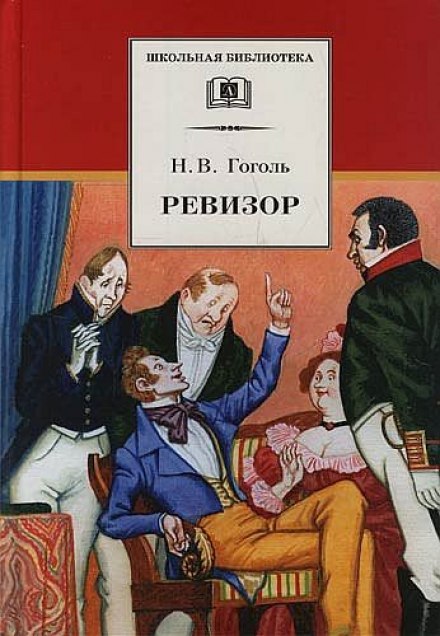
The Government Inspector
3 hrs. 2 min.
Language
Russian
Author
Nikolai Gogol
Author
Nikolai Gogol
Narrator
Pyotr Vasilevsky
Narrator
Pyotr Vasilevsky
Description
In one district town they learned about the arrival of an inspector. The officials were so frightened that fear made them blind, and in every random visitor they were ready to see an instrument of punishment. The comic twist of the situation is that an error occurs, and another man is taken for the inspector. They try to bribe him, please him, and deceive him. But the result is the opposite. The officials deceive themselves: their lying, shamelessness, and hypocrisy are reflected back at them in the mirror of the young careless man—and come back to them.
The real inspector appears suddenly—like conscience. And here there are no words. A silent scene: human meanness is caught off guard. The officials would have been glad to fall through the ground, but there is no such possibility.
All characters are depicted vividly. Flattery and bribery are not merely mocked—they’re shown in an exaggerated form, causing an inner rejection.
This is a comedy about human passions and desires that sooner or later will be put on trial before the court of conscience. And what will happen then? After all, conscience—like the real inspector in the comedy—is incorruptible.
The real inspector appears suddenly—like conscience. And here there are no words. A silent scene: human meanness is caught off guard. The officials would have been glad to fall through the ground, but there is no such possibility.
All characters are depicted vividly. Flattery and bribery are not merely mocked—they’re shown in an exaggerated form, causing an inner rejection.
This is a comedy about human passions and desires that sooner or later will be put on trial before the court of conscience. And what will happen then? After all, conscience—like the real inspector in the comedy—is incorruptible.
100%
07:32
Gogol - Revizor 01 - Bibe.ru
06:42
Gogol - Revizor 02 - Bibe.ru
04:16
Gogol - Revizor 03 - Bibe.ru
09:08
Gogol - Revizor 04 - Bibe.ru
07:53
Gogol - Revizor 05 - Bibe.ru
06:57
Gogol - Revizor 06 - Bibe.ru
02:36
Gogol - Revizor 07 - Bibe.ru
05:56
Gogol - Revizor 08 - Bibe.ru
10:45
Gogol - Revizor 09 - Bibe.ru
04:18
Gogol - Revizor 10 - Bibe.ru
02:00
Gogol - Revizor 11 - Bibe.ru
05:29
Gogol - Revizor 12 - Bibe.ru
06:21
Gogol - Revizor 13 - Bibe.ru
09:06
Gogol - Revizor 14 - Bibe.ru
02:42
Gogol - Revizor 15 - Bibe.ru
06:55
Gogol - Revizor 16 - Bibe.ru
01:14
Gogol - Revizor 17 - Bibe.ru
04:23
Gogol - Revizor 18 - Bibe.ru
03:13
Gogol - Revizor 19 - Bibe.ru
05:38
Gogol - Revizor 20 - Bibe.ru
03:56
Gogol - Revizor 21 - Bibe.ru
03:58
Gogol - Revizor 22 - Bibe.ru
09:29
Gogol - Revizor 23 - Bibe.ru
03:45
Gogol - Revizor 24 - Bibe.ru
06:35
Gogol - Revizor 25 - Bibe.ru
04:57
Gogol - Revizor 26 - Bibe.ru
03:27
Gogol - Revizor 27 - Bibe.ru
05:09
Gogol - Revizor 28 - Bibe.ru
04:59
Gogol - Revizor 29 - Bibe.ru
07:50
Gogol - Revizor 30 - Bibe.ru
15:08
Gogol - Revizor 31 - Bibe.ru
