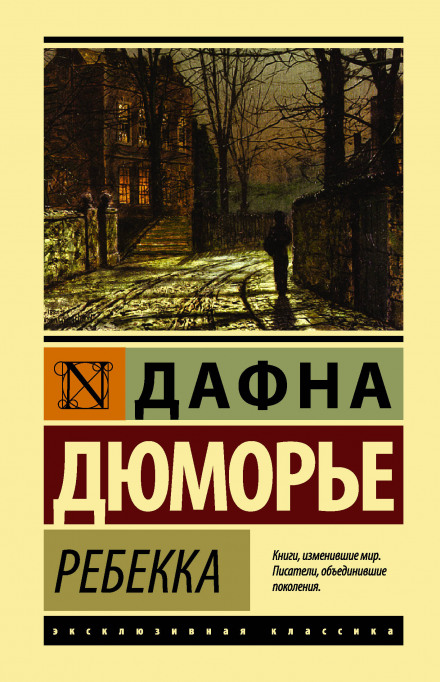
Rebecca
18 hrs. 57 min.
Language
Russian
Author
Daphne du Maurier
Author
Daphne du Maurier
Narrator
Dmitry Orgin
Narrator
Dmitry Orgin
Description
“We sometimes get bored… Well, boredom is a good medicine for fear.”
Manderley, the ancestral estate. Beloved and hated. A young companion to a capricious, elderly American woman meets an English aristocrat consumed by a secret sadness—and… No, this isn’t another Gothic romance. Not even because it’s about growing up, about an identity crisis, about loneliness and the loss of life’s goals, about maturity and sinfulness; a suspense icon, a psychological thriller—Hitchcock, and so on. Endless comparisons can be made to what “Rebecca” resembles, and you can discover the scale of its influence on 20th-century culture. One thing is obvious, though. “Rebecca” became a classic not because of the influence it had (undeniably), but because of its own distinctiveness.
“Rebecca” has a very low threshold for entry. However, no one leaves the walls of that gloomy mansion voluntarily—and, of course, no one leaves without being cheated.
And yes. It’s a very English novel.
Manderley, the ancestral estate. Beloved and hated. A young companion to a capricious, elderly American woman meets an English aristocrat consumed by a secret sadness—and… No, this isn’t another Gothic romance. Not even because it’s about growing up, about an identity crisis, about loneliness and the loss of life’s goals, about maturity and sinfulness; a suspense icon, a psychological thriller—Hitchcock, and so on. Endless comparisons can be made to what “Rebecca” resembles, and you can discover the scale of its influence on 20th-century culture. One thing is obvious, though. “Rebecca” became a classic not because of the influence it had (undeniably), but because of its own distinctiveness.
“Rebecca” has a very low threshold for entry. However, no one leaves the walls of that gloomy mansion voluntarily—and, of course, no one leaves without being cheated.
And yes. It’s a very English novel.
