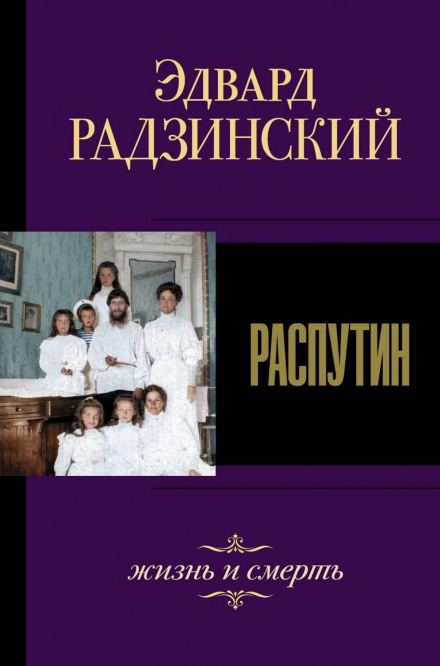
Rasputin: Life and Death
19 hrs. 49 min.
Language
Russian
Author
Edward Radzinsky
Author
Edward Radzinsky
Narrator
Alexander Klyukvin
Narrator
Alexander Klyukvin
Description
The eve of Christmas—December 19, 1916—in Petrograd, on the Malaya Nevka River, a corpse surfaced—covered with an icy crust and with a mutilated face. His bound hands were raised, as if, under the ice, the dead man was still alive, still trying to free himself from the bonds… As the police would write in their report, many people with flasks, jugs, and buckets rushed to the river. They drew water where the terrible body had been floating only moments earlier. It was as though they hoped to scoop up with the water that devilish, unbelievable power of this mysterious man—known to all of Russia: Grigory Rasputin, one of the most enigmatic and notorious figures of the 20th century. No commander or statesman in Russia had received the kind of popularity, glory, and influence that this half-literate Siberian peasant gained. But his main secret—the one historians and scholars are still trying to understand—is the blinding of the royal family. Empress Alexandra Fyodorovna called Rasputin “the holy elder.” But how could she, having read many books about Orthodoxy and knowing the lives of famous elders, call a man mired in lust and drunkenness a “holy elder”? And what about the Tsar himself? Could it be all because Rasputin saved their sick son? Was that enough to spark rapturous devotion—more precisely, deification? Could a frightening symbiosis arise: the most religious family, the one-man-and-one-woman king and queen, their pure daughters—and next to them, a lecherous brute, whose pranks were proverbial? Could the child’s health have made them silently agree to destroy the dynasty’s prestige, to an inevitable catastrophe that everyone without exception kept warning them about? Or was there some other reason for their astonishing faith in this man—some entirely different explanation for his actions? At the beginning of the century, when the horrifying corpse resurfaced, everything was clear: Rasputin was the servant of the Antichrist. That’s what Russia said then—both the believing and the unbelieving—only a hundred years later, to ask again: who was he truly—Grigory Yefimovich Rasputin?
