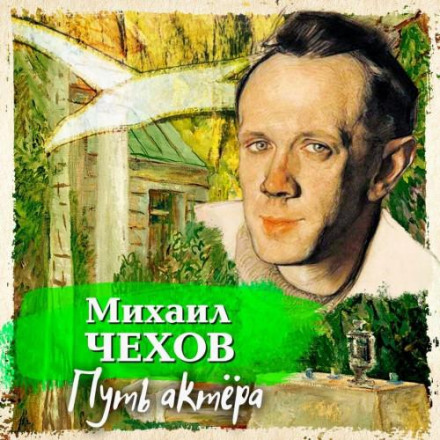
To the Actor
3 hrs. 48 min.
Language
Russian
Author
Chekhov Mikhail
Author
Chekhov Mikhail
Narrator
Alexander Klyukvin
Narrator
Alexander Klyukvin
Description
Mikhail Chekhov is a large-scale and tragic figure in the history of Russian theater. A brilliant actor, director, teacher, and theoretician of stage art, at the age of thirty-seven he left Russia and was forced to survive abroad rather than live a full life of an artist as he had once in Moscow. For some, Mikhail Chekhov’s foreign path seems dazzling: as an actor he performed in productions by the great German director Max Reinhardt, drew full houses in Paris, taught in England, and finally created in Hollywood a successful acting school where Yul Brynner, Anthony Quinn, Clint Eastwood, and Marilyn Monroe studied! However, Chekhov’s journal reflections of that period are full of bitterness, disappointment about how theater works in European countries and the USA. Since his departure from the USSR, he hadn’t played a single truly significant new role—only repeated the parts from his Moscow days. Yet it was in exile that Mikhail Chekhov wrote “The Way of the Actor”—a book about his creative path and his encounters with such outstanding people as K. S. Stanislavsky, V. I. Nemirovich-Danchenko, and E. B. Vakhtangov.
