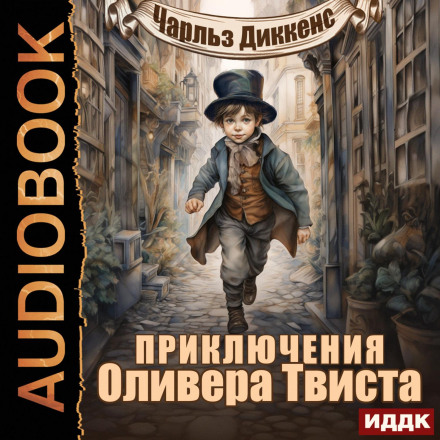
The Adventures of Oliver Twist
16 hrs. 36 min.
Language
Russian
Author
Charles Dickens
Author
Charles Dickens
Narrator
Natalya Pervina
Narrator
Natalya Pervina
Description
Dickens’s novel “Oliver Twist,” printed in 1839, received a mixed reaction from critics: some praised it as a masterpiece, others reviewed it more cautiously. Yet it quickly became popular with readers. The story of a small boy left an orphan and living in a workhouse— the twists of his fate: working for a gravedigger, joining a gang of thieves, finding his true name, and a decisive change in his life—aroused genuine interest and sympathy for the persecuted child who retained natural kindness and nobility even in the worst circumstances. Dickens deeply and subtly analyzes human nature in both its positive and negative manifestations. Kindness, loyalty, honesty, selflessness, and love stand against cruelty, hypocrisy, malice, selfishness, and greed. The writer is preoccupied with the problem of sin in human nature and evil in society. With angry satire and sarcasm, he attacks a society that cannot protect the weak. But Dickens’s optimism is stronger: as in most of his works, good triumphs, and a happy ending crowns the difficult and dangerous adventures of the little hero.
