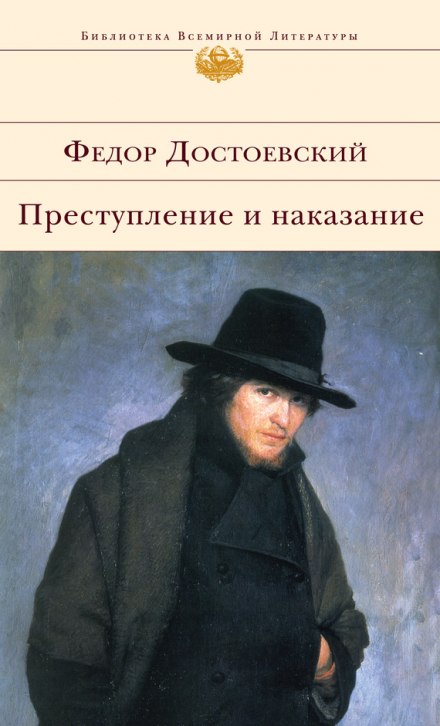
Crime and Punishment
25 hrs. 44 min.
Language
Russian
Author
Fyodor Dostoevsky
Author
Fyodor Dostoevsky
Narrator
Vyacheslav Gerasimov
Narrator
Vyacheslav Gerasimov
Description
“Crime and Punishment” is the title the novel got for no reason. It raises the question of whether a person has the right to commit a crime with no punishment. Raskolnikov kills what seems to be a worthless person—a pawnbroker woman old and mean. But behind this murder comes a second one, which, from the standpoint of conscience, is even harder to justify. It’s much easier to explain a crime committed for money or out of revenge. But here is a different case.
Philosophy becomes central—one that preaches the superiority of one person over another, which later turns into Nazism. The main hero, as if trying to test his theory in practice, sees everything collapse like a house of cards, because the human soul is far more complex than any theory—and the court of conscience is merciless.
In the novel, Petersburg is portrayed in detail: a tense, heavy city with its wells, gray streets, and misty quays. That is exactly the setting the author chose for his difficult work. Here, too, unfold the hard fates of the other characters.
The theme of crime and punishment will remain relevant as long as a person allows for the possibility of committing a crime. But punishment, as F. M. Dostoevsky showed, is an inevitable consequence—even then, when it seems that no one should find out about the crime committed…
Philosophy becomes central—one that preaches the superiority of one person over another, which later turns into Nazism. The main hero, as if trying to test his theory in practice, sees everything collapse like a house of cards, because the human soul is far more complex than any theory—and the court of conscience is merciless.
In the novel, Petersburg is portrayed in detail: a tense, heavy city with its wells, gray streets, and misty quays. That is exactly the setting the author chose for his difficult work. Here, too, unfold the hard fates of the other characters.
The theme of crime and punishment will remain relevant as long as a person allows for the possibility of committing a crime. But punishment, as F. M. Dostoevsky showed, is an inevitable consequence—even then, when it seems that no one should find out about the crime committed…
100%
05:54
1_1_1
06:04
1_1_2
06:15
1_1_3
06:02
1_1_4
06:29
1_2_1
06:08
1_2_2
05:13
1_2_3
07:10
1_2_4
04:50
1_2_5
07:09
1_2_6
06:03
1_2_7
06:13
1_2_8
05:22
1_2_9
07:24
1_3_1
07:29
1_3_2
05:41
1_3_3
05:28
1_3_4
05:47
1_3_5
04:42
1_3_6
08:16
1_4_1
07:38
1_4_2
04:39
1_4_3
06:21
1_4_4
05:19
1_4_5
06:06
1_4_6
06:31
1_5_1
06:05
1_5_2
05:55
1_5_3
07:39
1_5_4
05:54
1_5_5
05:50
1_6_1
05:15
1_6_2
06:41
1_6_3
06:31
1_6_4
06:46
1_6_5
06:36
1_6_6
05:50
1_7_1
06:34
1_7_2
05:22
1_7_3
05:34
1_7_4
05:47
1_7_5
05:27
1_7_6
05:02
2_1_1
04:19
2_1_2
06:03
2_1_3
07:13
2_1_4
06:05
2_1_5
05:58
2_1_6
08:22
2_1_7
07:48
2_1_8
06:25
2_2_1
07:02
2_2_2
07:29
2_2_3
05:27
2_2_4
06:41
2_2_5
07:09
2_3_1
05:07
2_3_2
05:31
2_3_3
07:09
2_3_4
06:12
2_3_5
07:34
2_3_6
07:06
2_4_1
05:53
2_4_2
05:10
2_4_3
07:11
2_4_4
04:33
2_4_5
07:55
2_5_1
05:47
2_5_2
06:52
2_5_3
06:28
2_5_4
05:56
2_5_5
07:24
2_6_1
05:46
2_6_2
07:38
2_6_3
05:29
2_6_4
06:21
2_6_5
06:16
2_6_6
08:45
2_6_7
06:36
2_6_8
06:48
2_6_9
05:19
2_7_1
04:57
2_7_2
04:31
2_7_3
05:02
2_7_4
05:37
2_7_5
05:03
2_7_6
07:40
2_7_7
08:00
2_7_8
07:21
2_7_9
07:19
3_1_1
05:15
3_1_2
07:49
3_1_3
06:36
3_1_4
05:16
3_1_5
05:15
3_1_6
05:52
3_2_1
05:43
3_2_2
07:06
3_2_3
07:24
3_2_4
06:32
3_2_5
06:29
3_3_1
06:03
3_3_2
06:08
3_3_3
05:51
3_3_4
05:25
3_3_5
05:38
3_3_6
06:09
3_4_1
07:48
3_4_2
07:39
3_4_3
08:07
3_4_4
05:40
3_5_1
06:39
3_5_2
06:15
3_5_3
06:44
3_5_4
04:41
3_5_5
05:12
3_5_6
05:23
3_5_7
06:29
3_5_8
04:58
3_5_9
07:00
3_6_1
06:38
3_6_2
08:39
3_6_3
05:59
3_6_4
05:07
3_6_5
06:20
4_1_1
05:31
4_1_2
05:45
4_1_3
07:27
4_1_4
05:21
4_1_5
05:56
4_1_6
07:53
4_2_1
08:54
4_2_2
07:32
4_2_3
09:13
4_2_4
06:19
4_3_1
05:20
4_3_2
06:12
4_3_3
04:44
4_3_4
06:17
4_4_1
05:46
4_4_2
06:09
4_4_3
07:19
4_4_4
05:09
4_4_5
06:40
4_4_6
08:01
4_4_7
05:09
4_5_1
05:58
4_5_2
08:33
4_5_3
07:57
4_5_4
07:16
4_5_5
04:52
4_5_6
08:18
4_5_7
07:20
4_5_8
06:21
4_6_1
06:33
4_6_2
07:50
4_6_3
06:13
5_1_1
05:25
5_1_2
05:36
5_1_3
07:57
5_1_4
06:17
5_1_5
05:41
5_1_6
06:21
5_1_7
05:11
5_1_8
07:50
5_2_1
05:44
5_2_2
06:39
5_2_3
06:15
5_2_4
05:51
5_2_5
05:29
5_2_6
08:45
5_3_1
05:33
5_3_2
04:42
5_3_3
07:17
5_3_4
07:26
5_3_5
06:22
5_3_6
06:18
5_4_1
07:06
5_4_2
05:47
5_4_3
06:35
5_4_4
05:46
5_4_5
05:02
5_4_6
06:56
5_4_7
08:08
5_4_8
06:04
5_5_1
06:17
5_5_2
05:45
5_5_3
06:54
5_5_4
08:28
5_5_5
04:32
5_5_6
06:19
6_1_1
04:35
6_1_2
06:44
6_1_3
05:33
6_1_4
05:53
6_1_5
06:07
6_2_1
05:30
6_2_2
05:55
6_2_3
06:42
6_2_4
05:20
6_2_5
06:32
6_2_6
05:46
6_2_7
05:53
6_3_1
04:59
6_3_2
06:53
6_3_3
05:40
6_3_4
04:17
6_3_5
07:19
6_4_1
06:59
6_4_2
06:08
6_4_3
06:57
6_4_4
07:09
6_4_5
07:18
6_5_1
05:22
6_5_2
06:40
6_5_3
06:18
6_5_4
07:26
6_5_5
08:52
6_5_6
08:42
6_6_1
05:03
6_6_2
06:58
6_6_3
05:30
6_6_4
05:49
6_6_5
05:26
6_6_6
05:15
6_6_7
06:50
6_7_1
07:17
6_7_2
08:17
6_7_3
06:18
6_7_4
07:08
6_8_1
05:03
6_8_2
05:44
6_8_3
06:13
6_8_4
06:28
6_8_5
08:45
7_1_1
05:05
7_1_2
05:41
7_1_3
05:50
7_1_4
05:36
7_2_1
06:31
7_2_2
08:09
7_2_3
08:09
7_2_4
03:55
Vocalise
