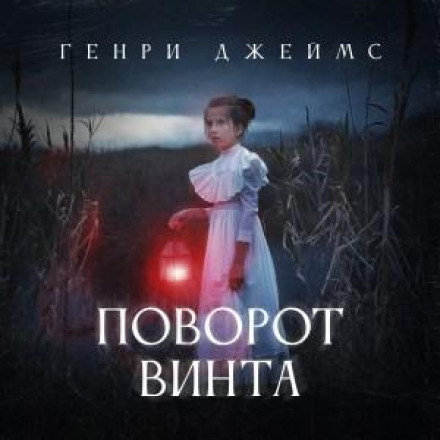
The Turn of the Screw
5 hrs. 28 min.
Language
Russian
Author
Henry James
Author
Henry James
Narrator
Nadezhda Vinokurova
Narrator
Oleg Bulgak
Description
The novella “The Turn of the Screw” became something of a “calling card” for James the short-story writer and received numerous film adaptations. The original interpretation of the motive of encountering ghosts brought the novella closer to the popular in James’s era parapsychological concerns. Outgrowing the “gothic” plot, “The Turn of the Screw” turned into a philosophical study of the complexity of how the world is arranged and the paradoxes of human perception—and its author drew even closer to the technique of the “stream of consciousness,” which was developed in modernist prose.
This mysterious ghost story is as ambiguous as Pushkin’s “The Queen of Spades,” Hoffmann’s “The Sandman,” or Edgar Allan Poe’s “The Fall of the House of Usher.” The inhabitants of the Bly estate are plagued by nightmares; the statements of eyewitnesses are subjective, and nothing—neither directly nor unconditionally—proves who exactly the culprit is. Perhaps everything is a prank or hallucinations?
In any case, without noticing it, you yourself become a participant in a “witch hunt.”
This mysterious ghost story is as ambiguous as Pushkin’s “The Queen of Spades,” Hoffmann’s “The Sandman,” or Edgar Allan Poe’s “The Fall of the House of Usher.” The inhabitants of the Bly estate are plagued by nightmares; the statements of eyewitnesses are subjective, and nothing—neither directly nor unconditionally—proves who exactly the culprit is. Perhaps everything is a prank or hallucinations?
In any case, without noticing it, you yourself become a participant in a “witch hunt.”
100%
20:16
1
12:29
2
11:32
3
16:35
4
15:57
5
11:28
6
21:01
7
13:38
8
14:23
9
14:56
10
13:09
11
10:18
12
09:24
13
13:50
14
10:18
15
08:29
16
08:26
17
13:30
18
09:27
19
10:37
20
14:11
21
17:02
22
10:42
23
11:07
24
16:08
25
